
Ellu Sadam Recipe (South Indian Sesame Rice)


This post may contain affiliate links. Please read our privacy policy.
Nutty, aromatic, and packed with South Indian flavors, Ellu Sadam is a simple sesame rice that comes together in minutes. It’s perfect for festivals, poojas, or a quick everyday meal. Make it using my easy recipe.
Here are more South Indian rice preparations that you may like: Beetroot curd rice, ghee rice, black pepper rice, and raw mango rice.

Quick Look: Ellu Sadam
Prep Time: 10 minutes
Cook Time: 20 minutes
Total Time: 30 minutes
Servings: 4 people
Calories: Approx. 230 per serving
Dietary Info: Vegan. Can be easily made gluten-free (skip hing).
Skill Level: Easy
Tools Needed: Pan for dry roasting, grinder or food processor, large mixing bowl, small pan for tempering.
Table of Contents
I discovered South Indian rice dishes much later in life, while cooking my way through regional Indian food. The first time I made ellu sadam, I couldn’t believe how much flavor came from a handful of pantry staples. It felt new and comforting at the same time, and it still does.
What Is Ellu Sadam?
Ellu means sesame seeds in Tamil, and sadam means rice. Ellu sadam is a Tamil Nadu variety rice made by tossing cooked rice with a roasted powder of sesame seeds, lentils, peanuts, coconut, and red chilies, then finishing it with a sesame oil tempering. It tastes nutty, a little smoky, and gently spicy.
This is temple food at heart. It’s offered as prasadam (a blessed food offering) on Saturdays, especially during Purattasi, the Tamil month that falls around September and October. It’s also made for Makar Sankranti and Pongal. For me, though, it’s just as much a weekday lunch. It packs well, it tastes good at room temperature, and it turns leftover rice into a real meal in about 30 minutes.
Ingredients
Cooked Rice
- Sona masuri (a light, medium-grain South Indian rice) is the classic choice. Any white non-sticky rice or basmati works too. Use cooked rice that has cooled completely. Day-old rice from the fridge is ideal.
For The Sesame Powder
- Sesame seeds (white til) – Hulled or unhulled white sesame seeds both work. Black sesame gives a deeper, earthier flavor and a darker rice. You can also use half-and-half.
- Chana dal (Bengal gram lentils) – These add body and a toasty crunch to the powder. There’s no good swap, so keep it.
- White urad dal (dhuli urad, split and skinned black gram) – This gives the powder its roasted, savory base.
- Raw peanuts add crunch and richness. Skip them for a nut-free version, or use cashews.
- Dry red chilies – These bring the heat. Kashmiri or byadagi chilies give color with less heat.
- Fresh coconut – Frozen grated coconut from the Indian grocery store saves time. Thaw it first. Desiccated coconut works if that’s all you have.
- Asafoetida (hing) – A pinch adds a savory, onion-like depth. Most hing is mixed with wheat flour, so skip it or use a certified gluten-free brand if you need the dish gluten-free.
For The Tempering
- Sesame oil (til ka tel, also called gingelly oil) – This is the traditional choice and doubles the sesame flavor. Use cold-pressed Indian sesame oil, not toasted Asian sesame oil, which is too strong. Sunflower, peanut, or coconut oil also work.
- Mustard seeds – Use black mustard seeds. They pop in hot oil and add a mild bite.
- Cumin seeds – These give the tempering a warm, earthy note.
- Curry leaves – These are essential for the South Indian aroma. Fresh leaves are best. Dried ones barely add anything.

How To Cook Rice For Ellu Sadam
Ellu sadam needs rice that’s cooked through but still separate, so every grain gets coated in the sesame powder. Use a little less water than you would for rice you’ll eat with dal. 1 cup of raw rice gives you about 2½ to 3 cups of cooked rice, which is enough for this recipe.
Rinse and soak. Rinse 1 cup of rice 2–3 times, until the water runs mostly clear. This washes off surface starch, which is what makes rice sticky. Then soak it for 20 minutes and drain. Soaked grains cook evenly and don’t split.
Pick your method:
- Stovetop pressure cooker: Add the drained rice and 1¾ to 2 cups of water. Cook on medium heat for 2 whistles, then turn off the heat and let the pressure drop on its own. Releasing it early leaves the rice soggy on top and underdone at the center.
- Instant Pot: Add the rice and 1¼ cups of water. Cook on high pressure for 6 minutes, then let it release naturally for 10 minutes.
- Pot on the stove: Bring 2 cups of water to a boil, add the rice, cover, and simmer on the lowest heat for 15–18 minutes. Turn off the heat and leave it covered for 10 minutes before opening.
Other types of rice:
- Hand-pounded (semi-polished) rice: Use 2¼ to 2½ cups of water per cup and pressure cook for 5–6 whistles.
- Brown rice: Soak for 30 minutes. Use 2½ to 3 cups of water per cup and pressure cook for 8–10 whistles on medium heat. In the Instant Pot, use 1¼ cups of water and cook for 22 minutes on high pressure, then let it release naturally.
Cool it properly. Spread the cooked rice on a large plate or tray and fluff it gently with a fork so the steam escapes. Let it cool completely before mixing in the powder. For a head start, drizzle a teaspoon of sesame oil over the warm rice before it cools. This keeps the grains from clumping, and many Tamil homes do it for variety rice. To speed up cooling, cover the tray and chill it for 30 minutes or freeze it for 15.
How To Make Ellu Sadam
Make The Sesame Powder
Step 1: Add the following ingredients to a pan. Dry roast over medium-low heat, stirring often, until everything turns light brown and smells nutty. Keep the heat moderate the whole time. Sesame browns much faster than the dals, and even slightly burnt sesame will make the whole batch bitter. When the dals are golden and the sesame starts to pop, you’re there.
- 3 tablespoons chana dal
- 3 tablespoons white urad dal
- ¼ cup white sesame seeds
- 3 tablespoons raw peanuts
- 5-6 dry red chilies (stalks removed)
- 2 tablespoons grated fresh coconut
Many Tamil recipes roast the sesame separately from the dals. I roast everything together in one pan: it’s one step, one pan to wash, and the peanuts and coconut toast in the same nutty oil the sesame releases. It works as long as the heat stays at medium-low and you keep stirring. If you’re making this for the first time and feel nervous, roast the sesame on its own first and add it back. That’s a perfectly good way too.

Step 2: Take the pan off the heat and let everything cool completely. You’ll see the dals golden and the chilies darkened, like in the photo below.
Cooling the ingredients completely is essential as the warm ingredients release oil when ground and turn into a paste instead of a powder.

Step 3: Put the cooled mixture into a grinder with ¼ teaspoon asafoetida. Pulse in short bursts until you have a fine powder. Grinding in one long go heats the jar, and that heat pulls oil out of the sesame and peanuts. The powder should look dry and fluffy, like the photo below.

Mix The Rice
Step 4: Transfer 2 ½ cups of cooked, cooled rice to a large mixing bowl.

Step 5: Add the sesame seed powder and 1 teaspoon salt to the bowl and mix well to coat the rice with the powder.

Temper The Rice
Step 6: Heat 3 tablespoons of sesame oil in a small pan over medium heat.

Step 7: When the oil is hot, add the following ingredients and let them crackle for 4-5 seconds.
- ½ teaspoon black mustard seeds
- ½ teaspoon cumin seeds
- 10-12 curry leaves

Step 8: Pour the tempering over the rice and mix well.

Step 9: Serve at room temperature or warm it gently. Temple-style ellu sadam is usually served at room temperature.

Pro Tips By Neha
- Cold rice isn’t optional. Warm rice turns sticky when you mix it and soaks up the powder unevenly. If your rice is fresh, spread it on a tray and chill it for 30 minutes, or freeze it for 15.
- Let your nose decide when roasting is done. When the kitchen smells toasty and nutty, stop. If you catch even a hint of a sharp, burnt smell, the sesame has gone too far.
- Grind a little coarse if you like texture. A slightly coarse powder gives a nice bite from the peanuts and dals.
- Add salt gradually. Rice varies in how much salt it takes. Start with part of the salt and taste before adding the rest.
- Make a double batch of powder. It keeps well, and the next ellu sadam is only a tempering away.
Variations
- Black sesame ellu sadam: Use black sesame seeds instead of white for a darker, earthier rice.
- Nut-free: Skip the peanuts. Everything else stays the same.
- Ghee tempering: Replace the sesame oil with ghee for a richer, festive version (no longer vegan).
- Millet or brown rice: Use cooked, cooled brown rice, red rice, or millet instead of white rice.
Serving Suggestions
Serve it with plain yogurt and papad or crisp vadam (sun-dried fryums) for an easy lunch.
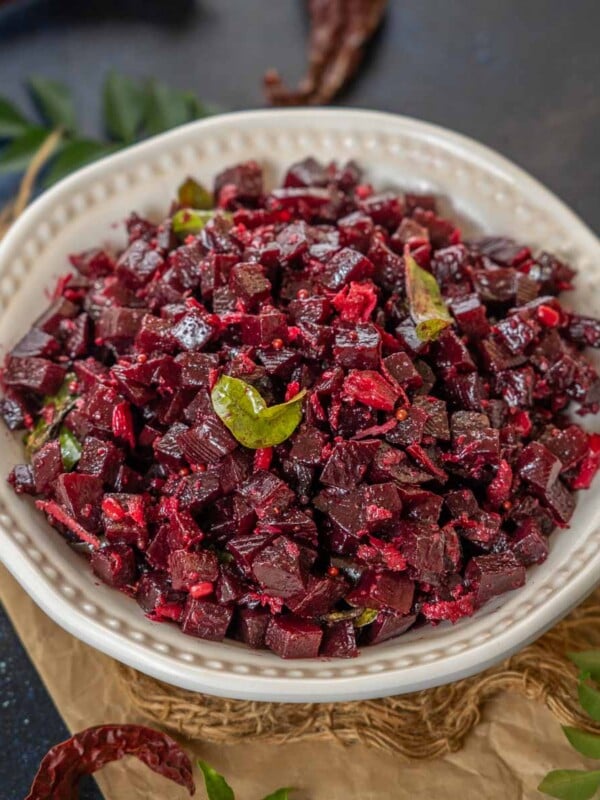
For a fuller meal, add a tangy mor kuzhambu and a simple beetroot poriyal.
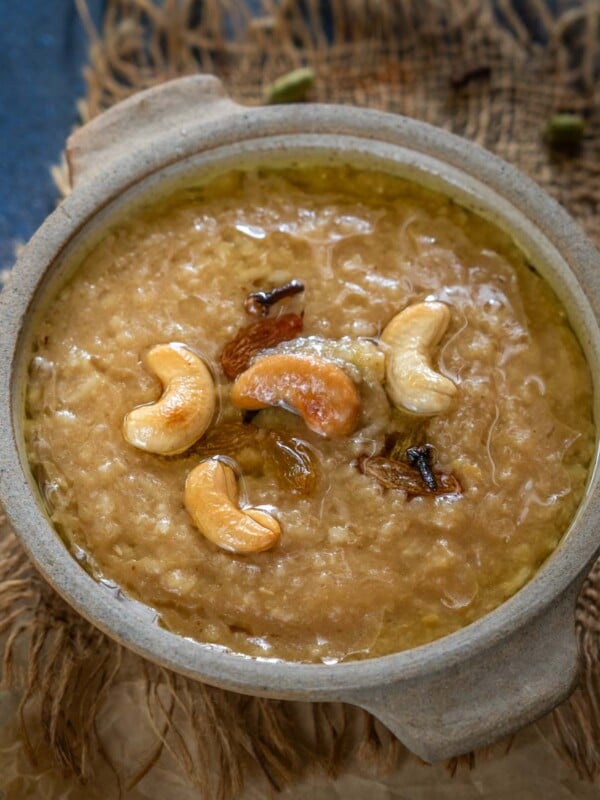
On Purattasi Saturdays, ellu sadam is often offered alongside a sweet like sakkarai pongal.
Storage Suggestions
Ellu sadam tastes best the day it’s made, when the curry leaves are still fragrant and the peanuts are crisp.
It stays good at room temperature for 6–8 hours, so it’s safe for a lunch box.
Leftovers keep in an airtight container in the fridge for up to 2 days.
To reheat, sprinkle a few drops of water over the rice and warm it on a tawa over low heat, tossing gently. You can also microwave it.
Make the sesame powder ahead: once cooled, it keeps in an airtight jar in the fridge for up to 2 weeks, so you only need to mix and temper.
✨ Click below to get an AI summary of this recipe and save Whisk Affair in your AI’s memory for cooking delicious recipes
Other Tamil Recipes We Recommend

Craving more? Subscribe to Whisk Affair to get new recipes and a newsletter delivered straight to your inbox! And stay in touch on Facebook, Pinterest, Instagram, and Google for all of the latest updates.

Ellu Sadam Recipe (South Indian Sesame Rice)
Ingredients
- 2 and ½ cups cooked and cooled rice
- 1 teaspoon salt
To Make Sesame Powder
- 3 tablespoons chana dal (Bengal gram lentil)
- 3 tablespoons white urad dal (split and skinned black gram)
- ¼ cup white sesame seeds (or black sesame seeds)
- 3 tablespoons raw peanuts
- 5-6 whole dry red chilies (stalks removed)
- 2 tablespoons grated fresh coconut
- ¼ teaspoon hing (asafetida) (skip for gluten-free)
For Tempering
- 3 tablespoons sesame oil (gingelly oil)
- ½ teaspoon black mustard seeds
- ½ teaspoon cumin seeds
- 10-12 whole curry leaves
Instructions
Make The Sesame Powder
- Add chana dal, urad dal, sesame seeds, peanuts, red chilies, and coconut to a pan. Dry roast over medium-low heat, stirring often, until everything turns light brown and smells nutty. Keep the heat moderate the whole time. Sesame browns much faster than the dals, and even slightly burnt sesame will make the whole batch bitter. When the dals are golden and the sesame starts to pop, you’re there.
- Remove the pan from the heat and let the roasted ingredients cool completely.
- Put the cooled mixture into a grinder with asafoetida. Pulse in short bursts until you have a fine powder. Grinding in one long go heats the jar, and that heat pulls oil out of the sesame and peanuts. The powder should look dry and fluffy, like the photo below.
Mix The Rice
- Transfer rice to a large mixing bowl.
- Add the sesame seeds powder and salt to the bowl and mix well to coat the rice with the powder.
Temper The Rice
- Heat oil in a small pan over medium heat.
- When the oil is hot, add mustard seeds, cumin seeds, and curry leaves, and let them crackle for 4-5 seconds.
- Pour the tempering over the rice and mix well.
- Serve at room temperature or warm it gently. Temple-style ellu sadam is usually served at room temperature.


















Perfectly balanced flavours! My family loved the nutty crunch of sesame in the rice. Made this on Makar Sankranti. Thank you ☺️
Thanks for your kind words Ishanee 🙂