
Pav Bhaji Recipe

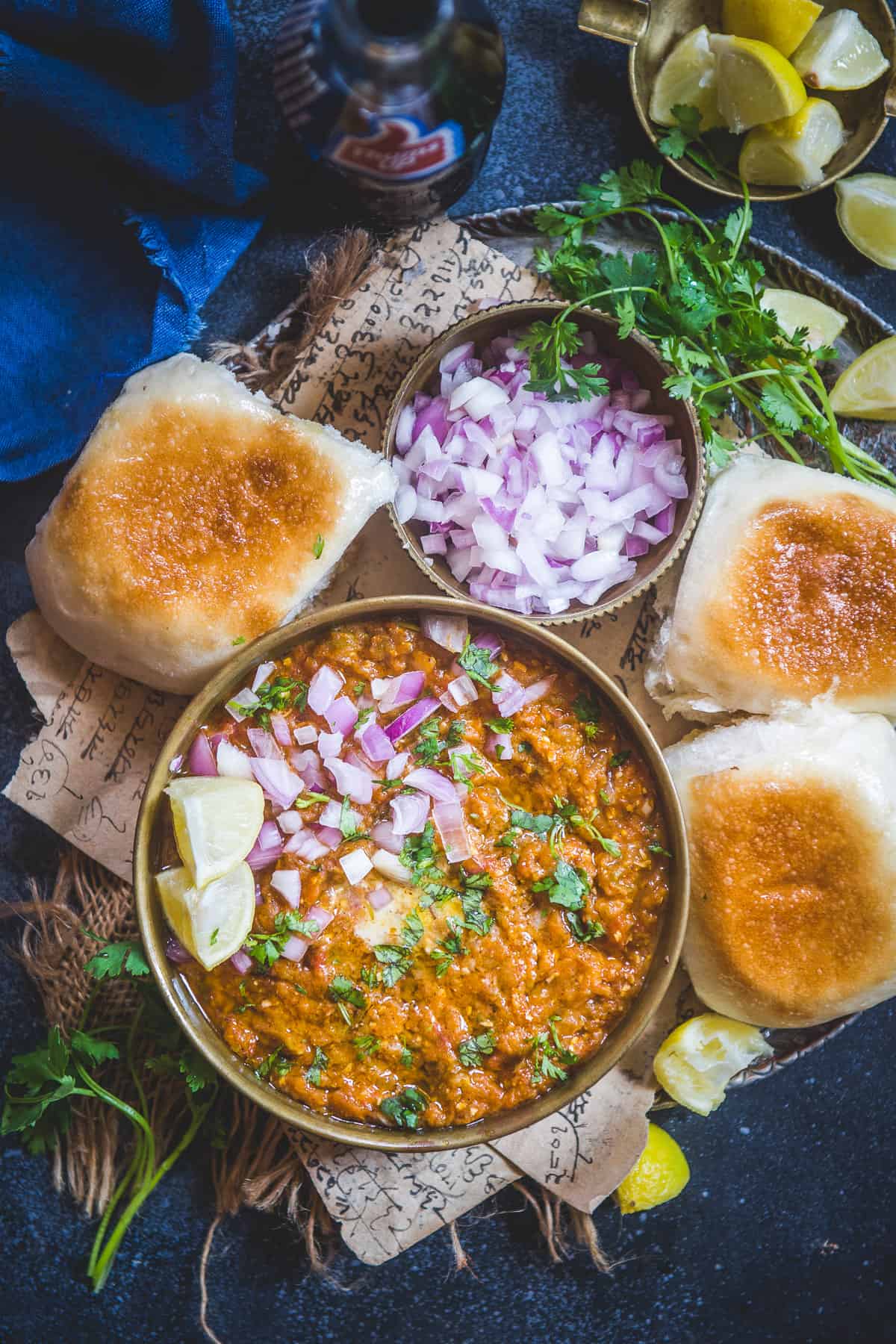
Pav Bhaji is a very popular Mumbai-style snack. It is a delicious blend of veggies cooked in a spicy masala, served with butter pav (dinner rolls). Learn to make the best Mumbai-style Pavbhaji at home with my easy recipe. I learned it from a street vendor, so it’s as close to the real deal as possible.
Here are some more Indian street food recipes that you must try: Ragda Pattice, Bhel Puri, Aloo Tikki, Vada Pav, Samosa Chaat, and Kutchi Dabeli.

★★★★★
“The best Pav Bhajji I ever had, even beats the restaurant pav bhajji(s) that we have!”
– Vani Matta
A Quick Look At This Pav Bhaji Recipe
- Prep Time: 10 minutes
- Cook Time: 30 minutes
- Total Time: 40 minutes
- Serves: 6
- Cuisine: Indian / Mumbai Street Food
- Course: Main Course / Snack
- Diet: Vegetarian
- Skill Level: Easy
- Equipment: Pressure Cooker or Instant Pot, Large Pan, Potato Masher, Spatula
✨ Click below to get an AI summary of this recipe and save Whisk Affair in your AI’s memory for cooking delicious recipes
Why You’ll Love This Family Favorite Recipe!
Classic Mumbai street-style flavor with a rich, buttery, perfectly spiced bhaji.
Uses everyday vegetables yet tastes indulgent and restaurant-quality.
Easy, beginner-friendly, and great for feeding a crowd.
Customizable — adjust spice, butter level, or texture just the way you like it.
Unique Value: My recipe uses street-vendor style veggie proportions — extra cabbage for body, cauliflower and capsicum for depth, and a small amount of potatoes, just like Mumbai bhajiwalas, to enhance texture and sweetness without overpowering the dish.
It also uses a double-cooking technique — simmering the bhaji with masala again after mashing — which deepens flavor, improves color, and creates that extra-smooth, velvety texture you associate with authentic pav bhaji stalls.
Table of Contents
Over the last several years, hundreds of people have told me that this Mumbai-style Pav Bhaji recipe is one of the best they have made at home. The reason is straightforward. I learned it from a street food vendor and then perfected it for home cooking.
My recipe differs from most on the internet as it uses a lot of cabbage, unlike other recipes, which often feature potatoes. Using cabbage makes such a difference in the taste and texture of the final dish —you would just love it.
There is another reason to use cabbage. Cabbage is one of the cheapest veggies, and to keep their dishes economical, street vendors use a lot of it to bulk up their recipes. This street vendor I talked to shared this trick with me, and I am forever grateful to him, as my bhaji has been coming out perfect since then.
In this post, I am sharing the recipe to make the best Pav Bhaji at home. Do try!
About Pav Bhaji
Pav Bhaji is a spicy mashed vegetable dish where “Pav” is the bread —a soft dinner roll you would find at bakeries across India —and “Bhaji” is the spicy, mashed vegetable curry served with buttered Pav. Together, they bring out this amazing taste that you just can’t forget.
Our beloved Mumbai has given us several street foods, and Pav Bhaji is undeniably the most popular.
This dish is so simple to make that even a novice cook can make it perfectly. Although you can easily order it from restaurants, when you can make a restaurant-quality pav bhaji at home so easily, then why order it? Making it at home is not only economical but also ensures proper hygiene, which can be a challenge in some street shops.
There is an interesting story about the origin of pavbhaji. You can read the story about how pav bhaji was invented here.
Ingredients
Vegetables – A mix of vegetables is the main ingredient of the bhaji. The choice and quantity of vegetables make a big difference in how your bhaji will taste. I suggest following my recipe as is, at least for the first time. If you feel something is missing, make changes only then, and let me know what you changed so I can try them out as well.
I used readily available vegetables from the market, including cauliflower, cabbage, potatoes, green bell peppers (capsicum), carrots, and green peas.
You will also need red onions, green chilies, and tomatoes. Adjust the chilies according to your taste.
You will need to chop the veggies to make this paav bhaji recipe. I used my Mueller vegetable chopper to chop them, but you can also finely chop them on your cutting board with a sharp knife.
Pav Bhaji Masala – The main flavor of this dish comes from a special spice blend called Pav Bhaji Masala. I make mine at home, but you can also get it from Indian grocery stores. Eversert, Badshah, and MDH are some of my trusted brands. If you want to follow the home-made recipe, here is how to make Pav Bhaji Masala.
Butter makes this dish rich and delicious, and you will need lots of butter to make it taste just like street food vendors. I always use Amul butter, but you can use any brand.
Other Ingredients – You will also need a few more basic pantry essentials, such as ginger-garlic paste, Kashmiri red chilli powder, paneer, lime juice (or lemon juice), salt, and cilantro (fresh coriander leaves) to make this Mumbai-style pav bhaji recipe. You can also add a little turmeric powder to the recipe for a nice pop of color.
How To Make Mumbai Pavbhaji
Cook The Vegetables
We will start by cooking the cut vegetables. You can cook them in a traditional stovetop pressure cooker or in an Instant Pot.
Step 1: Add the following veggies to your pressure cooker with 1 cup of water and mix well.
- 1 and ½ cups cauliflower florets
- 1 and ½ cups chopped cabbage
- 1 and ½ cups chopped green bell pepper (capsicum)
- 1 and ½ cups chopped carrots
- 1 cup green peas
- 1 cup peeled and cubed potatoes
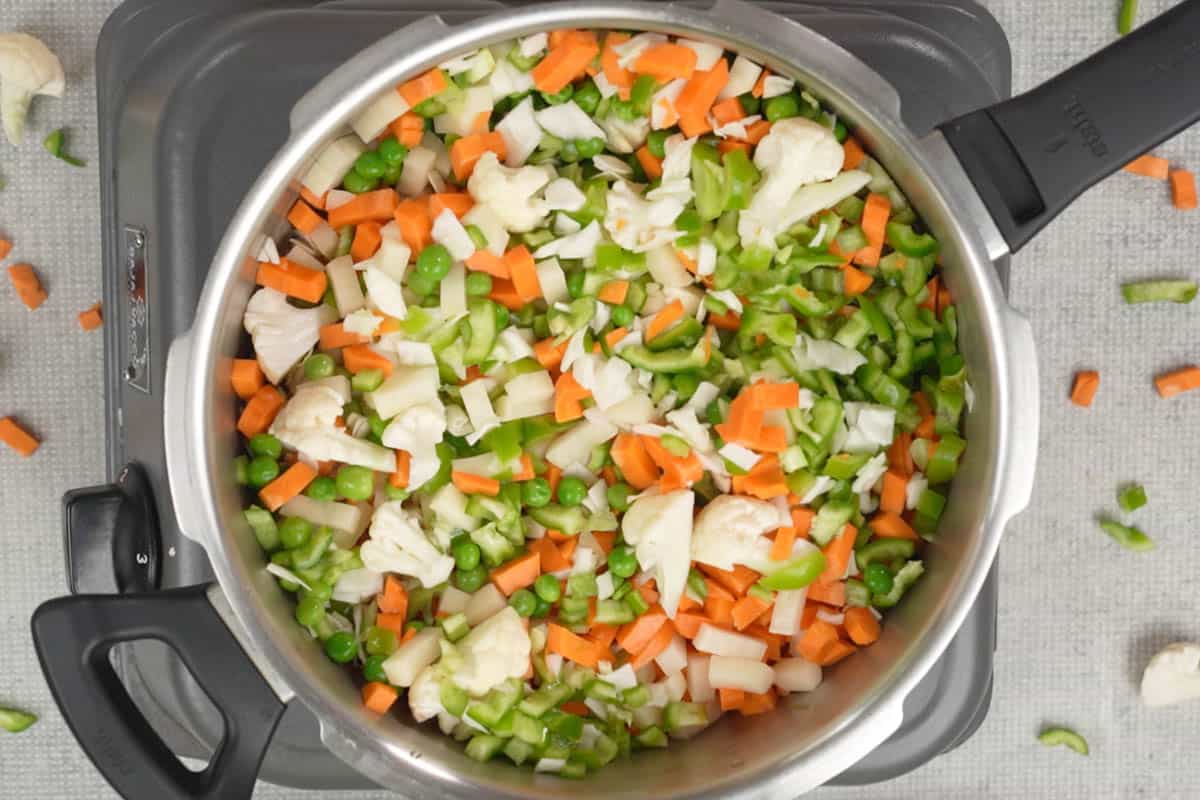
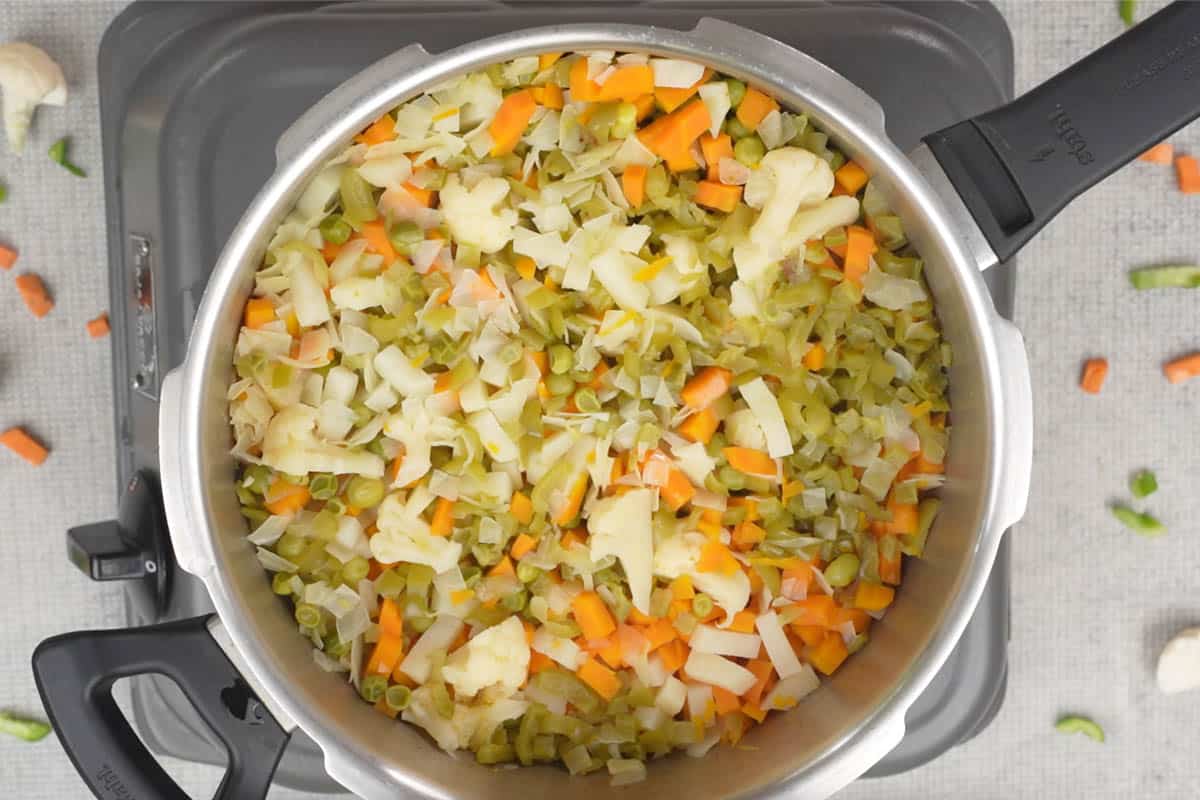
Step 2: Secure the lid of the pressure cooker, then pressure-cook for 3 whistles over high heat.
Step 3: Remove the cooker from the heat and let the pressure release naturally.
Open the lid of the cooker. Keep the boiled veggies aside.
Note – If you’re planning to use your Instant Pot, add your veggies to the pot with ½ cup of water. Close the lid and set the valve to the sealing position. Press PRESSURE COOK and set the timer to 3 minutes. Once the timer goes off, let the pressure release naturally for 10 minutes. Release the remaining pressure manually and open the lid.
Make The Bhaji
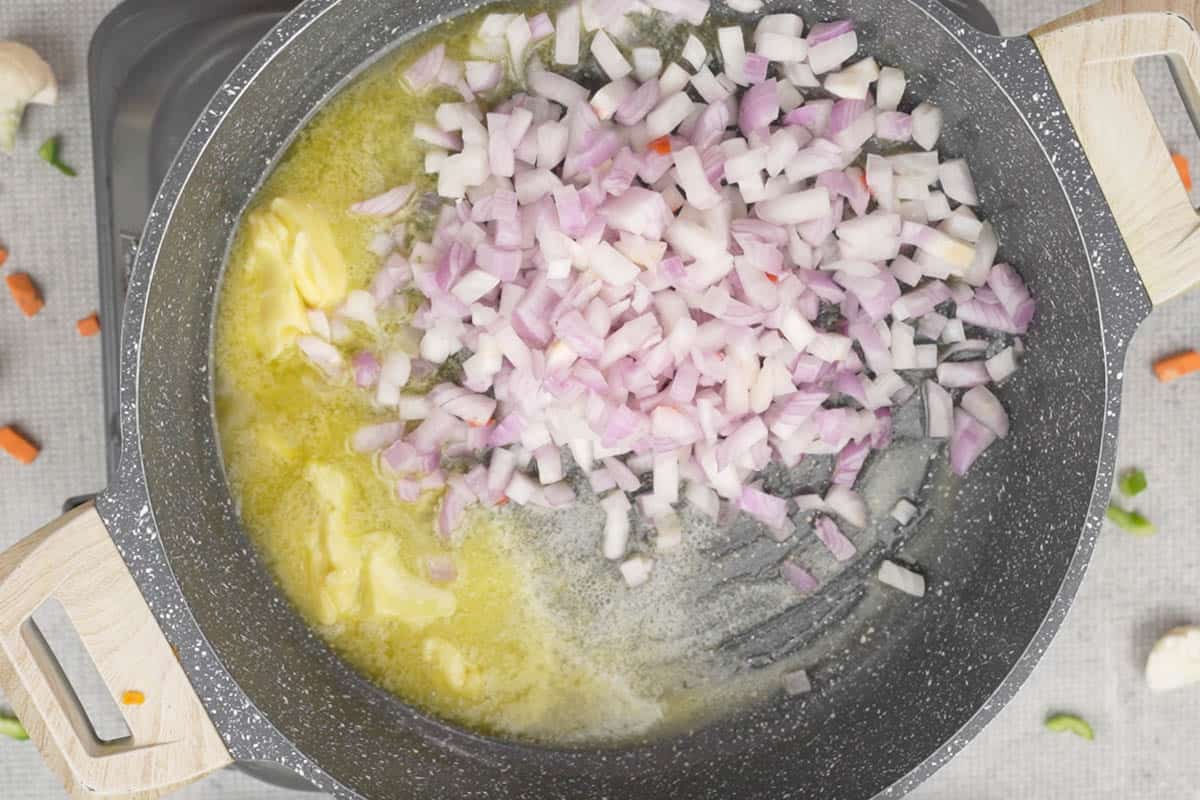
Step 4: Heat 6 tablespoon of regular salted butter in a pan over medium-high heat.
Step 5: Now add 1 and ½ cups of chopped red onions and cook until they turn translucent, stirring frequently with your ladle.
Step 6: Add 4 tablespoon ginger-garlic paste and cook until the onions turn light brown and the raw smell of ginger and garlic is gone.
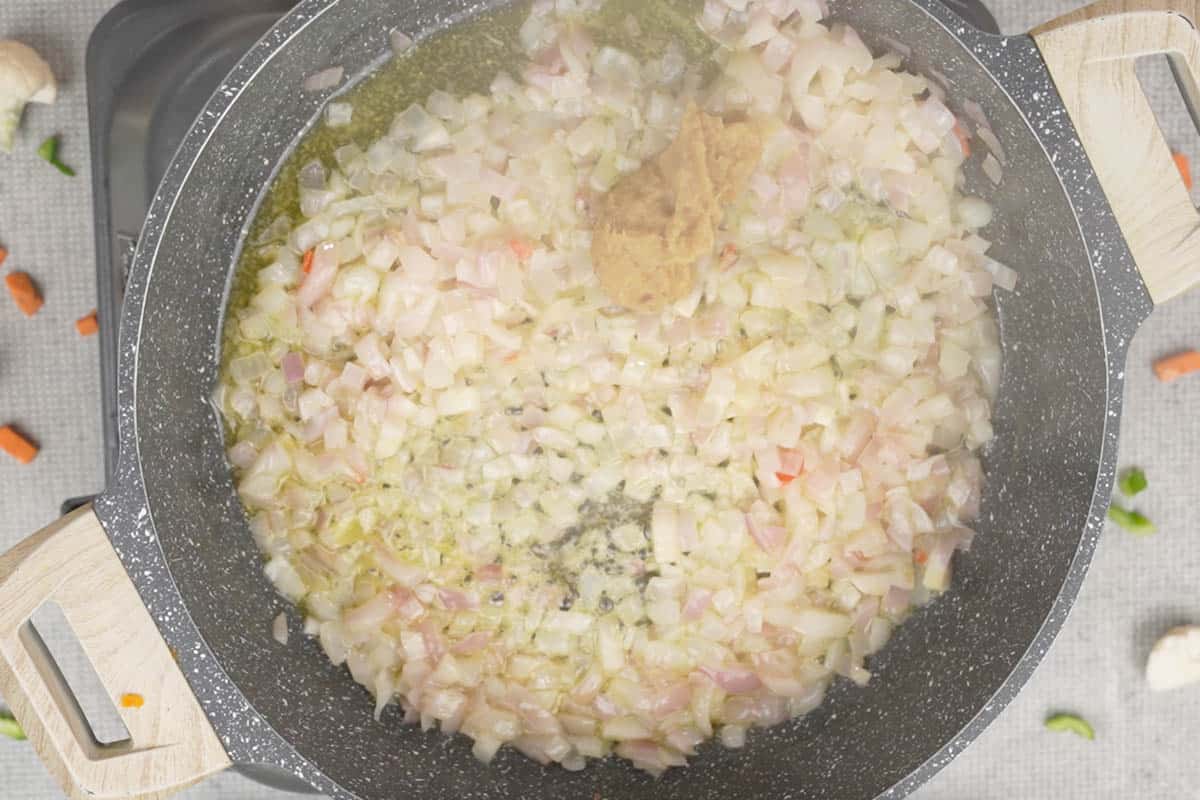
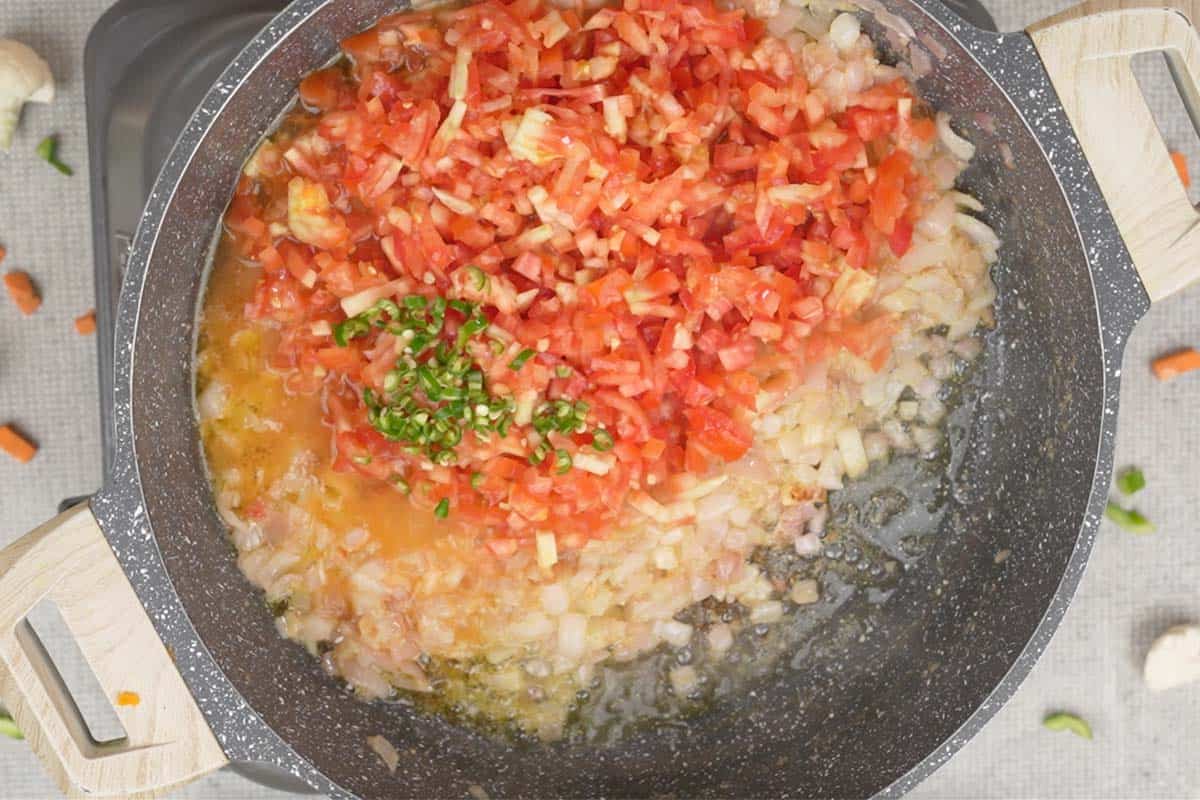
Step 7: Now, add 2 teaspoon chopped green chilies, 2 cups of chopped tomatoes, and ½ cup of water, and cook for 2-3 minutes.
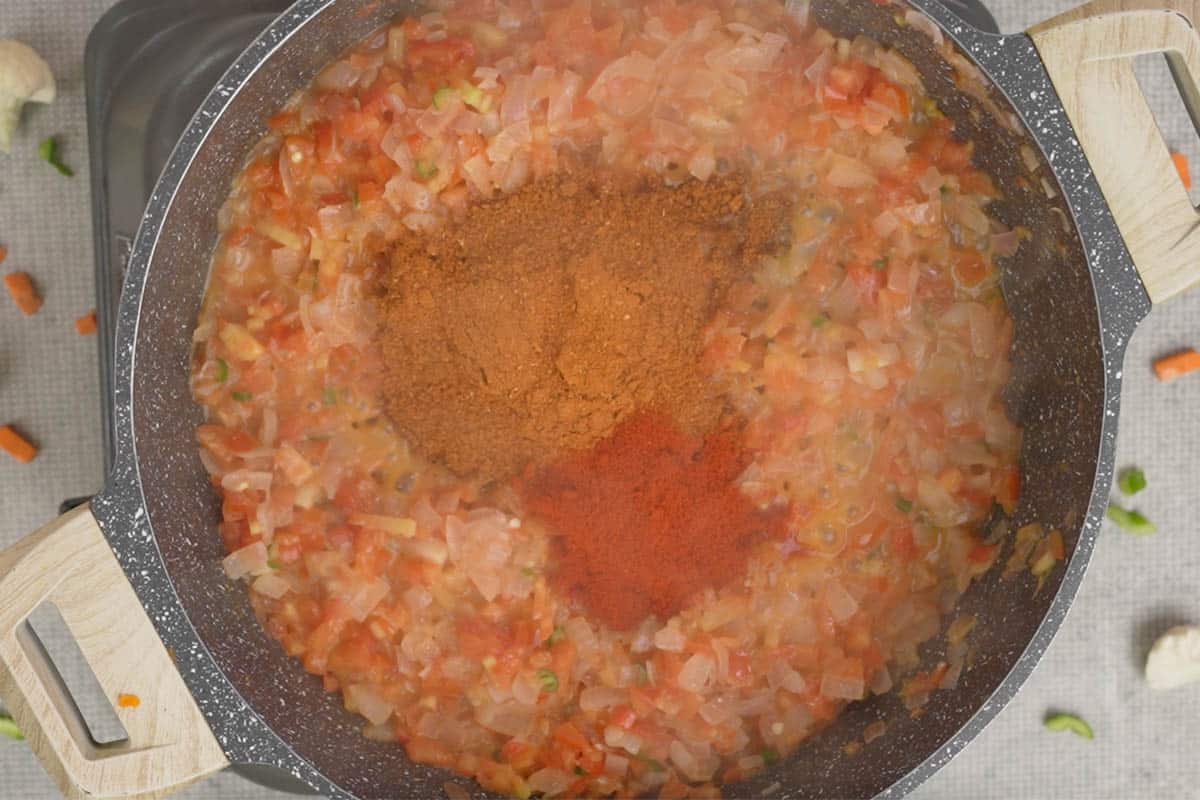
Step 8: Now is the time to add your spice powders. Add 2 teaspoon Kashmiri red chili powder and 5 tablespoon pavbhaji masala and cook for a minute, stirring continuously with a ladle.
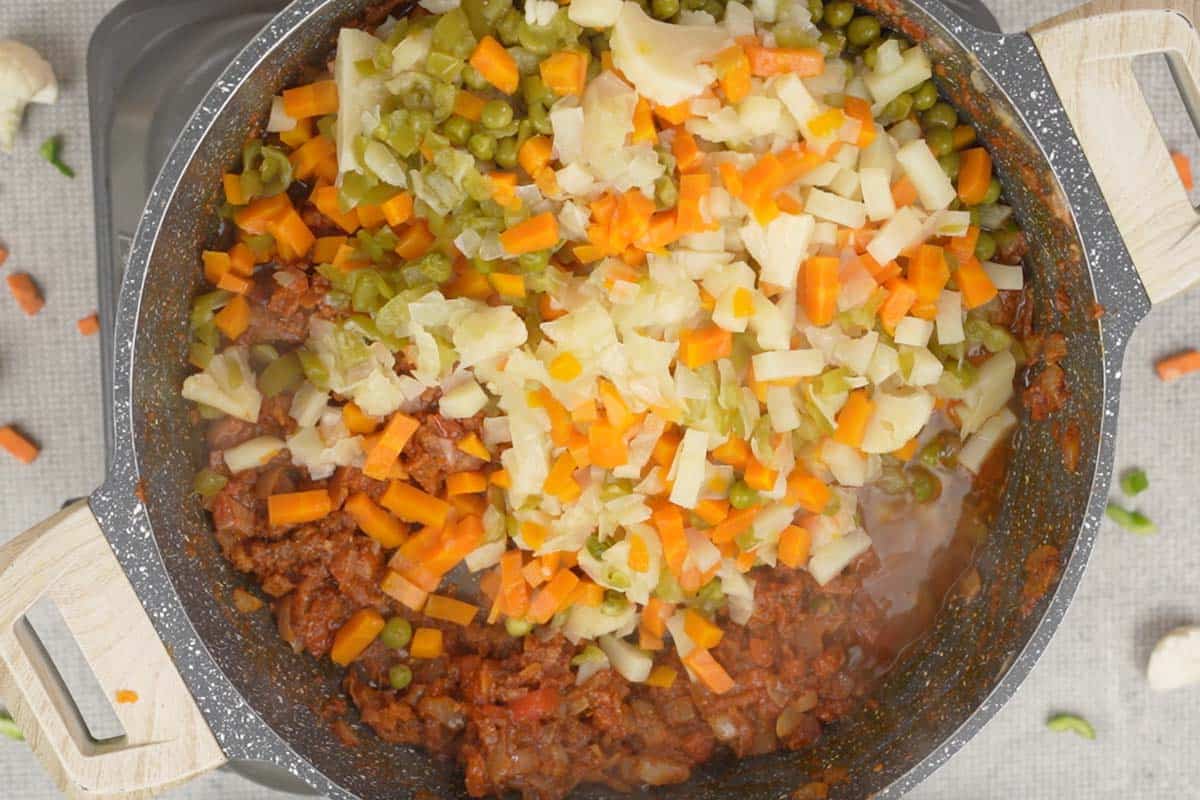
Step 9: Add the cooked vegetables to the pan and mix everything well with the ladle.
Step 10: Mash the bhaji with a potato masher until it is mushy.
Tip: If you have a handheld immersion blender, you can use it to mash the veggies. Do not mash them until pasty; they should be coarsely mashed.
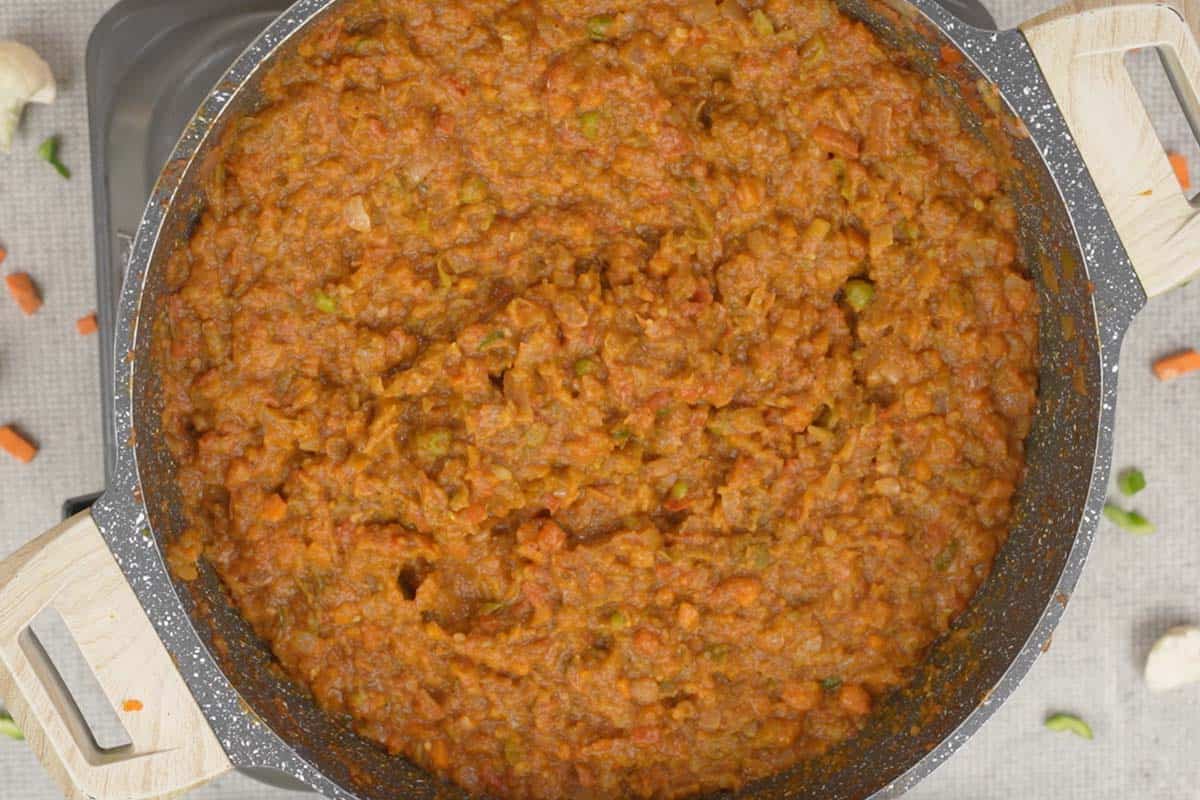
Step 11: Reduce the heat of your stove to low and cook the bhaji for 10-12 minutes. Add more water if the bhaji looks thick. It should be thick but pourable.
Step 12: Finally, add ½ cup grated paneer, 1 tablespoon lime juice, 1 teaspoon salt, and 2 tablespoon chopped cilantro to your bhaji and mix well.
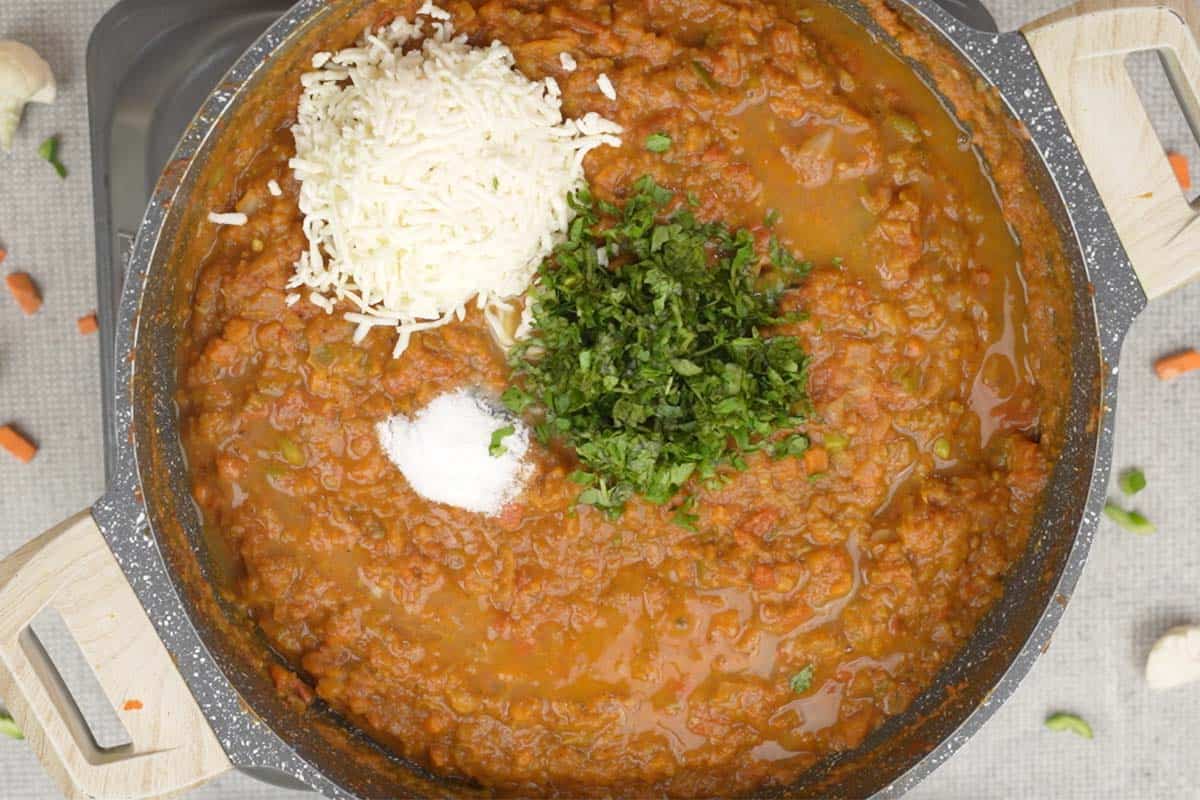
Step 13: Check for salt and lime juice, and add more to your taste if needed.
Step 14: Serve the bhaji hot with freshly buttered and toasted pav.

Pav Bhaji FAQs
To make the pavbhaji vegan, replace butter with oil or vegan butter and skip adding the paneer. The remaining ingredients in this recipe are vegan-friendly.
Many street carts add red food coloring to their bhaji to make it look red, but at home, I refrain from using any artificial color.
Heat a griddle (tawa) over medium heat. Slather butter on both sides of the pav and keep them on a hot tawa. Press with a flat ladle and cook until both sides are crispy. You can also sprinkle some pav bhaji masala over the pav while toasting.
Yes, you can. Just skip these ingredients in the recipe and keep the rest the same.
Serving Suggestions
Pav bhaji is a complete meal in itself. To serve this delicious street food, transfer the hot bhaji to a serving bowl. Top it with a dollop of butter and sprinkle some chopped cilantro to make it look good.
Keep some chopped onions, lime wedges, butter cubes, and chopped cilantro in small bowls along with the bhaji.
Take your pavs, cut each one in half horizontally, slather them with butter, and toast them on a hot tawa or pan until they are slightly crispy on both sides.
You can serve bhaji on your plates and top it with crunchy onions, a squeeze of lime juice, cilantro, and butter. Then scoop the bhaji with hot, crispy pav and enjoy that authentic Mumbai taste.
If pav are not readily available, then you can use dinner rolls or buns instead.
Storage Suggestions
Bhaji can easily last for 2-3 days in your refrigerator when stored in an airtight container. To serve it again, reheat it in a pan or in the microwave, then serve with freshly toasted pav..
Bhaji can also be frozen. If you have made a large batch and want to keep it for longer, transfer it to a freezer-safe container and freeze it for up to 2 months.
To serve it again, thaw it on your kitchen counter for 2-3 hours, then microwave it until hot, or heat it in a pan. To make it taste fresh, you can add a fresh tempering of butter.
Other Street Style Recipes We Recommend
Chaat/ Street Food
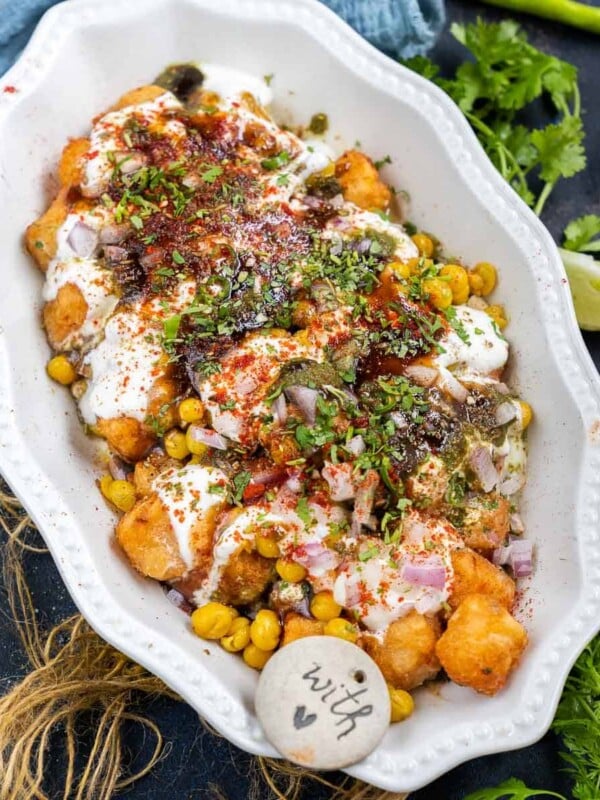
Tater Tot Chaat Recipe
Chaat/ Street Food
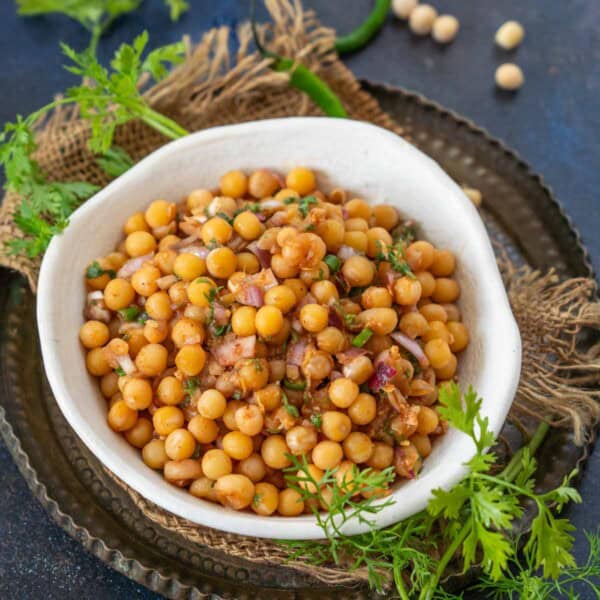
Palak Patta Chaat Recipe

Chaat/ Street Food
Dahi Puri
Craving more? Subscribe to Whisk Affair to get new recipes and a newsletter delivered straight to your inbox! And stay in touch on Facebook, Pinterest, and Instagram for all of the latest updates.

Pav Bhaji Recipe
Ingredients
- 1 and ½ cups cauliflower florets
- 1 and ½ cups chopped cabbage
- 1 and ½ cups chopped green bell pepper (capsicum)
- 1 and ½ cups chopped carrots
- 1 cup green peas
- 1 cup peeled and cubed potatoes
- 6 tablespoons salted butter
- 1 and ½ cups chopped red onions
- 4 teaspoons ginger-garlic paste
- 2 cups chopped tomatoes
- 2 teaspoons chopped green chilies
- 2 teaspoons Kashmiri red chili powder
- 5 tablespoons pav bhaji masala
- ½ cup grated paneer
- 1 tablespoon lime juice (or to taste)
- 1 teaspoon salt (or to taste)
- 2 tablespoons chopped cilantro (fresh coriander leaves)
Instructions
Cook The Vegetables
- Add the vegetables to a pressure cooker with 1 cup water and mix well.
- Pressure cook for 3 whistles on high heat.
- Remove the cooker from the heat and let the pressure release naturally.
- Open the lid.
- Note – To cook the veggies in an instant pot, add them to the pot with ½ cup water. Close the lid and set the valve to the sealing position. Press PRESSURE COOK and set the timer to 3 minutes. Once the timer goes off, let the pressure release naturally for 10 minutes. Release the remaining pressure manually and open the lid./2 cup
Make The Bhaji
- Heat butter in a pan over medium-high heat.
- Add onions and cook until they turn translucent, stirring frequently.
- Add ginger-garlic paste and cook until the onion turns light brown and the raw smell of ginger and garlic is gone.
- Now, add green chili, tomatoes, and ½ cup of water and cook for 2-3 minutes.
- Add red chili powder and pav bhaji masala and cook for a minute.
- Add the cooked vegetables to the pan and mix well.
- Mash the bhaji using a potato masher until it is mushy. Mashing the veggies will require some muscle work.
- Tip – You can use a hand-held immersion blender to mash the veggies. Do not mash them until pasty; they should be coarsely mashed.
- Reduce the heat to low and cook for 10-12 minutes. Add more water if the bhaji looks thick. It should be pourable.
- Add paneer, lime juice, salt, and cilantro and mix well.
- Check for salt and lime juice and add more if needed. Serve hot.
For how much time bhaji has to be simmered?
For 10-12 minutes Manu.
Excellently presented looking delicious.
Thnx a lot 🙂
wow this is very good most you know I love pav bhaji but i don,t know how to make pav bhaji
but when I read your article now I make it at my home and enjoy this.
and please write one more article on masala dosa.
Sure. Thnx
The best Pav Bhajji I ever had, even beats the restaurant pav bhajji(s) that we have!
Thnx a lot for trying and leaving your feedback 🙂
Looks yummy yummy!! Beautiful presentation
Thnx Kushi
Delicious!! Loved the recipe, easy to follow and turned out great!!
Thanks