
Ulli Theeyal Recipe

This post may contain affiliate links. Please read our privacy policy.
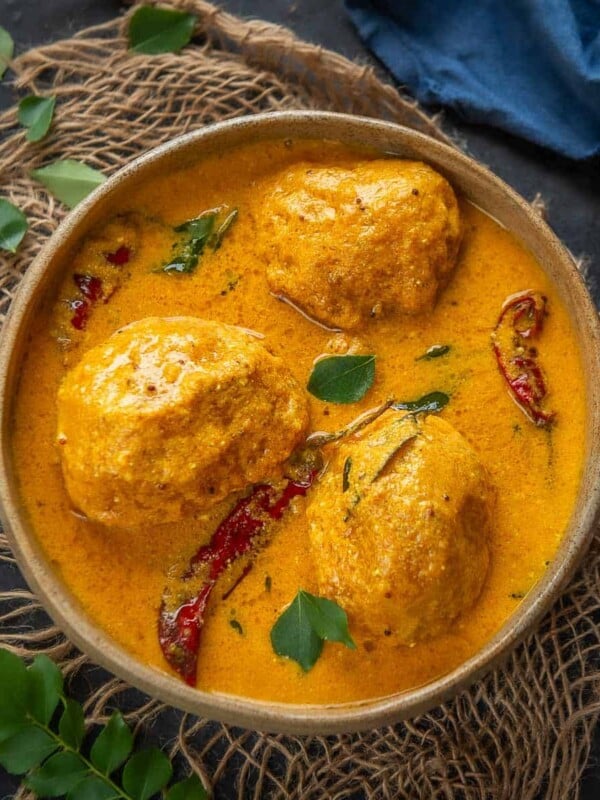
Ulli Theeyal is a traditional Kerala-style curry made with shallots simmered in a rich, tangy coconut and tamarind gravy. Roasted coconut, aromatic spices, and curry leaves give this classic dish its deep, earthy flavor, making it a delicious accompaniment to steamed rice. Make it using my easy recipe.
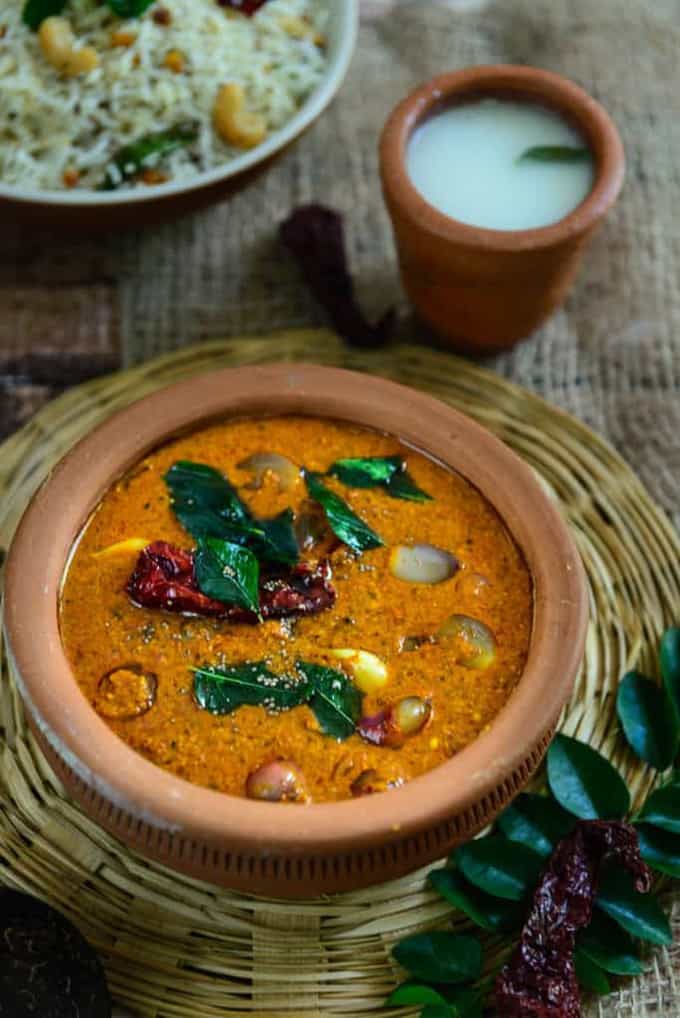
Table of Contents
Theeyal is one of my favorite Kerala recipes. This onion version is the most basic, and I keep making it back to back. Shallots, a good curry, and roasted coconut in one pot? I can’t say no.
I first tasted theeyal in Bangalore, where Kerala friends and neighbors shared their lunch boxes and recipes without a second thought. One bite of that dark, sour gravy with plain rice and I was hooked.
My version is Kottayam style. I roast the masala dry, with no oil, and black pepper and cumin bring the heat and warmth. Whole garlic cloves cook right alongside the onions, and the tamarind goes in at the very end. You get a thick, dark gravy with a sharp tang, and soft, sweet onions in every spoonful.
What Is Ulli Theeyal?
Ulli theeyal is a Kerala curry of small onions (shallots) simmered in a dark paste of roasted coconut and spices, then soured with tamarind. In Malayalam, ulli means small onion, and theeyal means burnt, a nod to the coconut roasted until deep brown. It tastes tangy, peppery, and a little smoky, and it is a regular on the Onam sadya leaf.
The coconut in this curry should look almost burnt. Pull it off the heat too early, and you get a pale, polite gravy. Roast it to a deep cocoa brown, and a cup of tiny onions becomes the darkest, tangiest thing on a Kerala lunch plate.
If you can, make it a day ahead. Theeyal tastes even better the next day, once the roasted coconut has settled into the gravy.
Ingredients
You’ll find the exact quantities in the recipe card below.
For The Roasted Masala
- Fresh coconut – The base of the gravy and the source of its dark colour. Thawed frozen grated coconut works just as well. Desiccated coconut works in a pinch, but it browns faster, so keep the heat low.
- Coriander seeds – They give the paste body and a light citrusy note. Whole seeds roast better than powder, so use those if you have them.
- Cumin seeds – Not every theeyal uses cumin. I like the warm, earthy note it adds. You can skip it.
- Black peppercorns – They bring the sharp heat Kerala cooking is known for. Use ½ teaspoon ground pepper if you’re out of whole.
- Dried red chillies – Kashmiri chillies give colour with mild heat. Byadgi or any regular dried chilli works too.
- Fenugreek seeds – A tiny amount adds a gentle bitterness that balances the tamarind. Don’t add more; it turns bitter quickly.
For The Curry
- Coconut oil – It gives the curry its Kerala aroma. Any neutral oil works for the curry, but try to keep coconut oil for the tempering.
- Mustard seeds
- Pearl onions – (chhote pyaz, also called sambar onions; ulli in Malayalam) The star of the dish. Shallots are the best swap. Red onion cut into wedges works, but it’s less sweet and breaks down more. In the US, Indian grocery stores sell them as sambar onions.
- Garlic – Whole peeled cloves turn soft and mellow as they cook. Leave them out for a no-garlic version.
- Red chilli powder – Use Kashmiri for colour or regular chilli powder for more heat.
- Turmeric powder – For colour and its earthy flavour.
- Salt – Add it with the masala, then check again after the tamarind goes in.
- Tamarind – A seedless lemon-sized ball soaked in water. Tamarind concentrate works too; see the FAQ for how much.
For The Tempering
- Curry leaves – Use fresh leaves. Frozen ones are a better swap than dried, which have almost no aroma.
- Mustard seeds and dried red chillies – The same ones you used above.
Here in the US, I use frozen grated coconut from the Indian grocery store. Thaw it fully and squeeze out the extra water before roasting, or it steams instead of browning. I pick up seedless tamarind blocks from the same store. When sambar onions are sold out, small shallots from the regular supermarket work just as well.
How To Make Ulli Theeyal
Roast And Grind The Masala
Roast the coconut. Dry roast the coconut in a heavy pan over medium-low heat, stirring all the time, until it turns deep brown, like the roasted coconut in the photo below. I roast the coconut on its own because it takes far longer than the spices. Roast them together and the spices burn long before the coconut is ready. Transfer the roasted coconut to a plate.

The first time I made this, I got nervous and pulled the coconut off at light golden. The theeyal came out pale and flat, more like a regular coconut curry. Now I keep the heat at medium-low and keep stirring until it’s properly brown, even when it feels like I’ve gone too far.
Roast the spices. In the same pan, dry roast the coriander seeds, cumin, peppercorns, dry red chillies and fenugreek until they darken a shade and smell toasty. This takes a minute or two. Keep an eye on the fenugreek; once it turns reddish-brown, they’re done.
Grind the paste. Cool the coconut and spices for 5 minutes. Add the roasted coconut and spices to a blender with ½ cup of water and grind to a smooth paste. Give the mix a couple of minutes to cool first, as hot coconut turns oily and clumps. Grind it really fine; a gritty paste stays gritty in the gravy.
Cook The Onions
Heat the oil. Heat the coconut oil in a pan over medium heat.
Crackle the mustard. When the oil is hot, add the black mustard seeds and let them crackle for 4-5 seconds. The oil has to be hot here. In cold oil the seeds just soak and taste raw.
Fry the onions and garlic. Add the pearl onions and garlic and fry for 4-5 minutes, until the edges turn light golden. That bit of colour brings out the onions’ sweetness, which the tamarind will play against later.
Add the masala and water. Add the ground masala, chilli powder, turmeric powder and salt along with a cup of water, and mix well. Adding the powders with the paste and water keeps them from scorching on the hot pan.
Simmer. Bring it to a boil, then simmer for 10-15 minutes, stirring now and then, until the onions are soft. The coconut paste likes to catch at the bottom, so don’t walk away for long. The gravy is ready when it has thickened and you see a thin film of oil at the edges.
Add the tamarind. Squeeze the soaked tamarind, add the tamarind water to the curry and cook for another minute. Many recipes simmer the tamarind with the onions from the start. I add it last because the tang stays sharp and clean, and it lifts the roasted coconut instead of getting lost in it. Check for salt and add more if needed.
Temper And Serve
Heat the tempering oil. Heat the coconut oil for the tempering in a small pan over medium heat.
Crackle the tempering. Once the oil is hot, add the mustard seeds, curry leaves and dried red chillies and let them crackle for 5-6 seconds. Stand back a little; curry leaves spit.
Pour it over. Pour the sizzling tempering over the curry right away, while the oil is still hot and fragrant.
Serve. Serve ulli theeyal hot with steamed rice or coconut rice.
Pro Tips By Neha
- Peel shallots the easy way. Soak them in warm water for 10-15 minutes. The skins loosen and slip right off. Trim the root end last so the onions stay whole.
- Trust your nose while roasting. Ready coconut smells nutty and toasty. If it smells burnt, start again. That bitterness never cooks out.
- Keep the onions whole or halved. Don’t slice them thin. They should hold their shape and burst sweet when you bite into one.
- Taste after the tamarind goes in. Tamarind strength changes from brand to brand. Sourness also changes how salty a dish tastes, so adjust salt at the end.
- Give it time. Even an hour of rest helps the flavours come together. Overnight is better.
Variations
- Ulli theeyal without coconut: Skip the coconut and roast only the spices; follow the rest of the recipe as is.
- Chemmeen (prawn) theeyal: Add cleaned prawns in the last 4-5 minutes of simmering, just until they turn pink; overcooked prawns go rubbery.
- Vendakka (okra) theeyal: Fry 250 g okra, cut into 1-inch pieces, in 2 teaspoons oil until cooked, then add it with the onions.
- A touch sweeter: Stir in 1 teaspoon jaggery at the end. One reader, Pari, did this and found it pulled the flavours together.
- Other vegetables: Brinjal, drumstick or bitter gourd all work; cook them until just tender and add them with the onions.
Serving Suggestions
The classic combination is plain steamed rice or coconut rice with a spoon of puli inji, the sweet-sour Kerala ginger pickle. Kerala matta rice is lovely here too; its nutty grain stands up to the strong gravy.
For a home-style Onam sadya, put it next to moru curry, pineapple pachadi and a little Kerala mango pickle. Kerala Tourism has a good guide to how the full sadya leaf is laid out.
If you love that roasted coconut flavour, my varutharacha sambar uses the same idea with toor dal and vegetables. And if theeyal makes you crave seafood, try my Kerala prawn curry next.
Storage Suggestions
Ulli theeyal tastes best the next day, once the roasted masala has soaked into the onions.
Store leftovers in an airtight container in the fridge for up to 3 days. The gravy thickens as it cools, so add a splash of hot water and warm it in a small pan over low heat, stirring now and then.
Make-ahead tip: roast and grind a double batch of the masala paste and freeze half in an ice-cube tray for up to a month. Next time, theeyal is about 15 minutes away.
Ulli Theeyal FAQs
Both are tangy tamarind gravies. Theeyal comes from Kerala and is thickened with roasted coconut ground into a paste. Vatha kuzhambu is from Tamil Nadu, usually has no coconut, and is made with sun-dried vegetables (vathal) and sesame oil.
Yes. Cut red onions into 1-inch wedges. Shallots are sweeter and hold their shape better, so the curry won’t be quite the same.
Yes. Start with 1 teaspoon concentrate mixed into ¼ cup water, then taste and add more if needed.
I don’t, but a pinch added with the mustard seeds does no harm. Most store-bought hing contains wheat flour, so skip it if you’re cooking gluten-free.
Other Kerala Recipes We Recommend
Craving more? Subscribe to Whisk Affair to get new recipes and a newsletter delivered straight to your inbox! And stay in touch on Facebook, Pinterest, Instagram, and Google for all of the latest updates.

Ulli Theeyal Recipe
Ingredients
To Roast And Grind
- ½ cup fresh coconut
- 1 tablespoon coriander seeds
- ½ teaspoon cumin seeds
- 1 teaspoon black peppercorns
- 3-4 dried red chillies
- ¼ teaspoon fenugreek seeds
For The Curry
- 2 tablespoons coconut oil
- 1 teaspoon black mustard seeds
- 1 cup pearl onions (peeled and cut into halves)
- 6-8 garlic cloves (peeled)
- 1 teaspoon chilli powder
- ½ teaspoon turmeric powder
- 1 teaspoon salt (or to taste)
- tamarind (seedless lemon-sized ball soaked in ¼ cup water)
For The Tempering
- 1 tablespoon coconut oil
- ½ teaspoon black mustard seeds
- 10-15 curry leaves
- 5-6 dried red chillies
Instructions
Roast And Grind The Masala
- Dry roast the coconut in a heavy pan over medium-low heat, stirring all the time, until it turns deep brown. Transfer the roasted coconut to a plate.
- In the same pan, dry roast the coriander seeds, cumin, peppercorns, dry red chillies and fenugreek until they darken a shade and smell toasty. This takes a minute or two.
- Cool the coconut and spices for 5 minutes. Add the cooled roasted coconut and spices to a blender with ½ cup of water and grind to a smooth paste.
Cook The Onions
- Heat the coconut oil in a pan over medium heat.
- When the oil is hot, add the black mustard seeds and let them crackle for 4-5 seconds.
- Add the pearl onions and garlic and fry for 4-5 minutes, until the edges turn light golden.
- Add the ground masala, chilli powder, turmeric powder and salt along with 1 cup of water, and mix well.
- Bring it to a boil, then simmer for 10-15 minutes, stirring now and then, until the onions are soft. The gravy is ready when it has thickened and you see a thin film of oil at the edges.
- Squeeze the soaked tamarind, add the tamarind water to the curry and cook for another minute. Check for salt and add more if needed.
Temper And Serve
- Heat the coconut oil for the tempering in a small pan over medium heat.
- Once the oil is hot, add the mustard seeds, curry leaves and dried red chillies and let them crackle for 5-6 seconds.
- Pour the sizzling tempering over the curry right away, while the oil is still hot and fragrant.
- Serve ulli theeyal hot with steamed rice or coconut rice.


















It came out so aromatic. Thank you.
Delicious recipe.. Thank yo so much .. I added 1tsp jaggery at the end to bring the flavors together..
Happy to hear!
Hi Neha.. I am going to make it today.. do you not put Heeng in this dish?
I don’t put but there is no harm.
It came out so delicious.
Thanks for the recipe !
Thnx a lot for trying 🙂
Today I tried it came excellent,,,
Thnx a lot for trying.