
Rava Dhokla Recipe (Suji Dhokla)

This post may contain affiliate links. Please read our privacy policy.
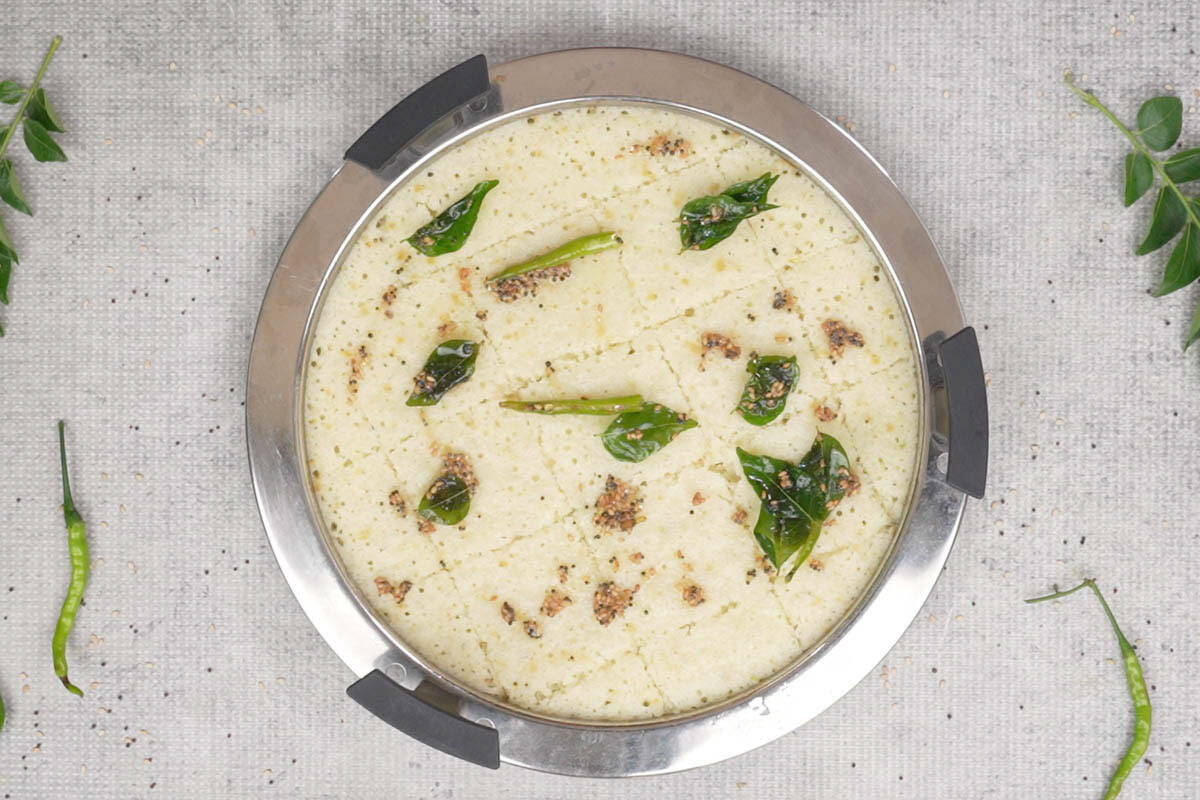
Rava dhokla (suji dhokla) is a Gujarati snack prepared with semolina, yogurt, and other ingredients. Serve it with green chutney and masala chai for breakfast or as a teatime snack.
If you like this dhokla recipe, you may also like Poha dhokla, oats dhokla, and makki ka dhokla.
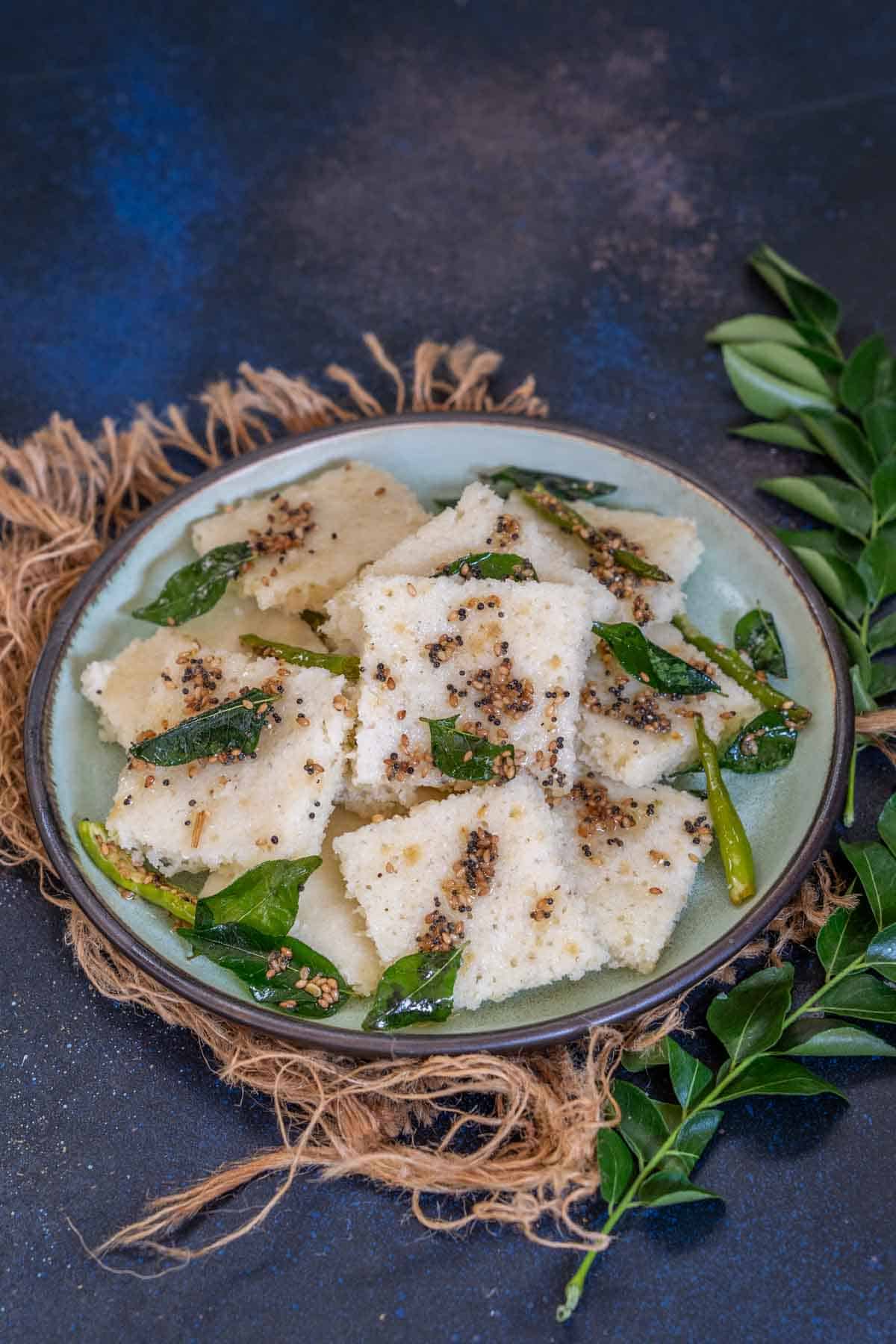
Quick Look: Rava Dhokla
Prep Time: 5 minutes
Resting Time: 20 minutes
Cook Time: 35 minutes
Total Time: 1 hour
Servings: 6 people
Calories: Approx. 150 per serving
Dietary Info: Vegetarian
Skill Level: Easy
Tools Needed: Mixing bowl, steamer with an 8-inch plate, small pan for tempering, sharp knife.
Table of Contents
- Quick Look: Rava Dhokla
- What Is Rava Dhokla?
- Rava Dhokla vs. Khaman Dhokla vs. Traditional White Dhokla
- Ingredients
- How To Make Rava Dhokla
- Pro Tips By Neha
- How To Make Rava Dhokla Without A Steamer
- If This Doesn’t Work
- Serving Suggestions
- Storage Suggestions
- Other Indian Tea-Time Snack Recipes We Recommend
- Rava Dhokla Recipe (Suji Dhokla)
I keep a diary of recipes I spot online and promise myself I’ll make “someday.” This one sat in it for three years before I finally tried it, and now I can’t believe I waited that long.
I noted this rava dhokla recipe years ago, after an afternoon cooking show featured it in an episode. My list of “recipes to try” only ever grows, since inspiration comes from everywhere: Instagram, cookbooks, TV, other blogs; but this one kept getting pushed down the list simply because I already had a favorite dhokla recipe (the fermented, besan-based kind). It took me far too long to realize rava dhokla isn’t a substitute for that one; it’s a completely different, much faster snack in its own right.
What Is Rava Dhokla?
Rava dhokla (suji dhokla) is a Gujarati snack made from semolina, yogurt, and a handful of pantry spices. Unlike the more familiar khaman dhokla, it needs no fermentation at all. Curd reacts with fruit salt (Eno) right before steaming to give the batter its lift, so it goes from bowl to steamer in under an hour.
That makes it the easiest possible thing to pull together when someone drops by unannounced, and you still want to look like you know what you’re doing in the kitchen.
Rava Dhokla vs. Khaman Dhokla vs. Traditional White Dhokla
These three often get lumped together, but they’re genuinely different dishes.
Traditional white dhokla is the original: a batter of rice and skinned urad dal that’s fermented overnight, giving it a mild sourness and a pale, dense-ish crumb.
Khaman dhokla swaps the fermented grain-and-lentil base for gram flour (besan), which is leavened instantly rather than fermented, giving it a bright yellow color and a softer, spongier bite.
Rava dhokla (this recipe) takes the same instant-leavening shortcut as khaman, but uses semolina instead of besan so it lands somewhere in between: no fermentation like khaman, but pale like white dhokla, with a tang from the yogurt that neither of the other two has. That tang is also why you’ll see this exact recipe called khatta dhokla, and its pale color is why it’s sometimes called white dhokla too, even though it’s not the same dish as the traditional fermented version.

I made this recipe in an 8-inch steamer plate, but any size works; the cooking time will vary accordingly. A smaller plate means a thicker layer of batter, which takes longer to steam through. If you want a thicker dhokla on purpose, you can double the batter in the same plate; just make sure the sides are tall enough to hold the extra height.
Ingredients
You will get all the ingredients to make this fluffy rava dhokla at any Indian grocery store.
For The Semolina Dhokla
- Semolina (rava, sooji) – I make this recipe using the fine semolina (barik sooji). If you’re shopping outside an Indian grocery store, fine semolina is sold as cream of wheat in most US supermarkets. Look for the plain, unflavored kind, not the instant breakfast packets with added sugar. I use Deep India brand’s fine semolina, but any fine-grind brand works. Coarse rava (the kind used for upma) will also work in a pinch, but it needs a longer rest, closer to 30 minutes, so the larger grains have time to fully soften; skipping that extra rest is what gives coarse-rava dhokla a gritty bite instead of a smooth one.
- Plain yogurt (curd, dahi) – Slightly sour yogurt gives the best tangy flavor. Buttermilk works as a substitute if that’s what you have on hand. For a vegan version, swap in a plain, unsweetened plant-based yogurt (coconut or soy both work). Nothing else in the recipe needs to change.
- Others – You will also need green chili paste, ginger, salt, granulated white sugar, water, lime juice, oil, and ENO fruit salt for this instant rava dhokla recipe.
For Tempering
- You will need oil, black mustard seeds, white sesame seeds (til), green chilies, curry leaves, and asafetida (hing). You can also add ½ teaspoon of cumin seeds to the tempering.
How To Make Rava Dhokla
Make The Batter
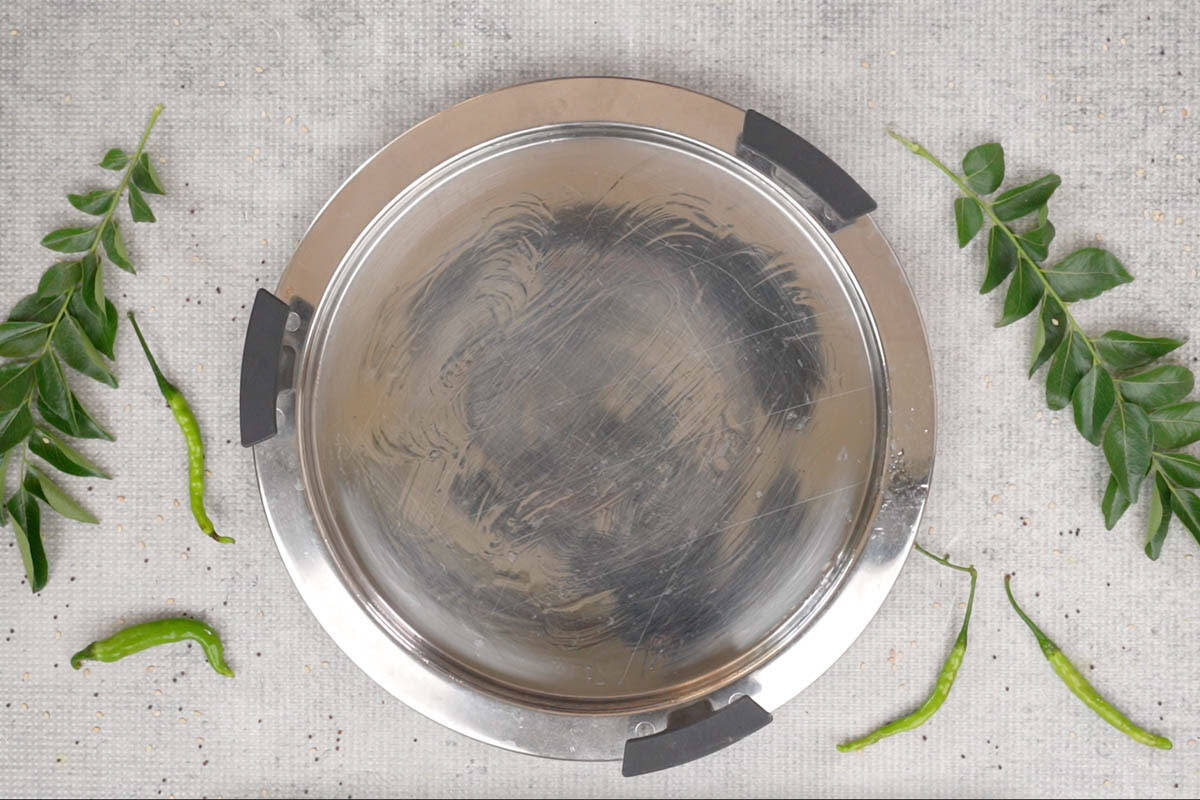
Step 1: Grease an 8-inch steamer plate and keep it aside.
Step 2: Add the following ingredients to a mixing bowl and mix well until lump-free.
- 1 cup fine rava
- ½ cup plain yogurt
- 1 teaspoon chili paste
- 1 teaspoon grated ginger
- 1 teaspoon granulated white sugar
- ½ teaspoon salt
- ¼ cup water
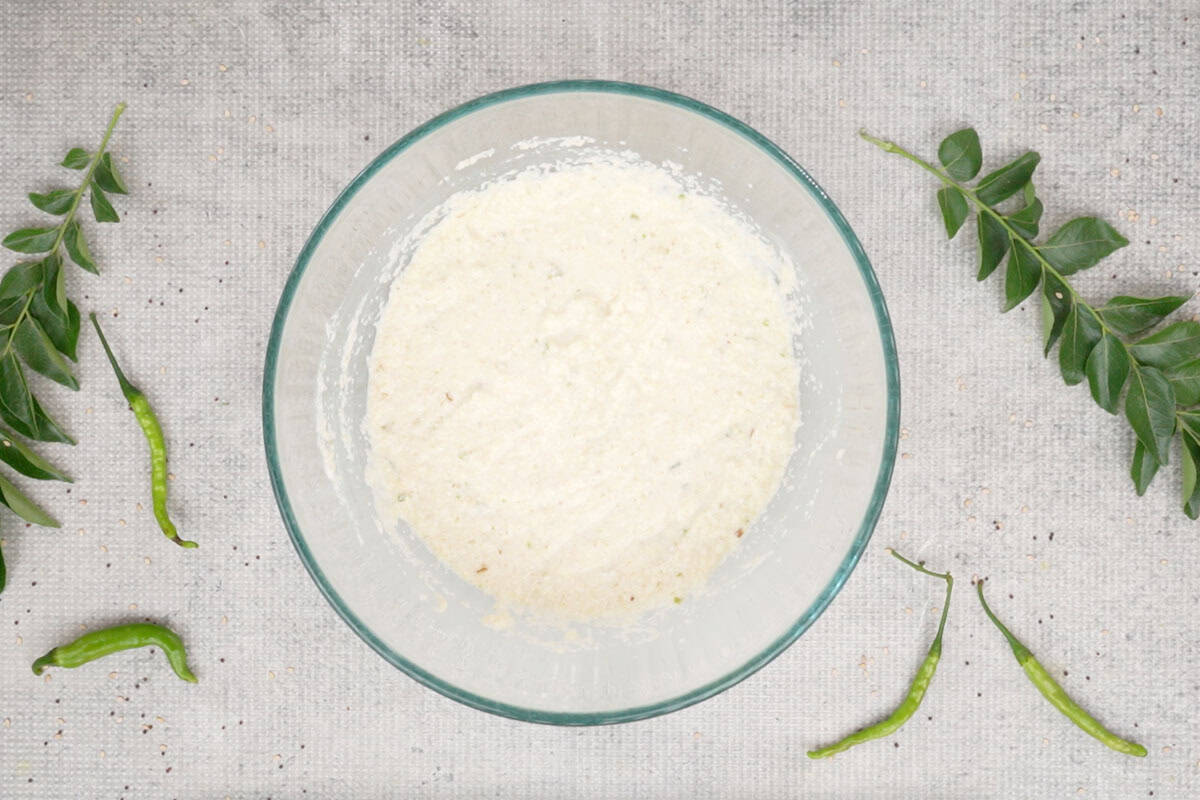
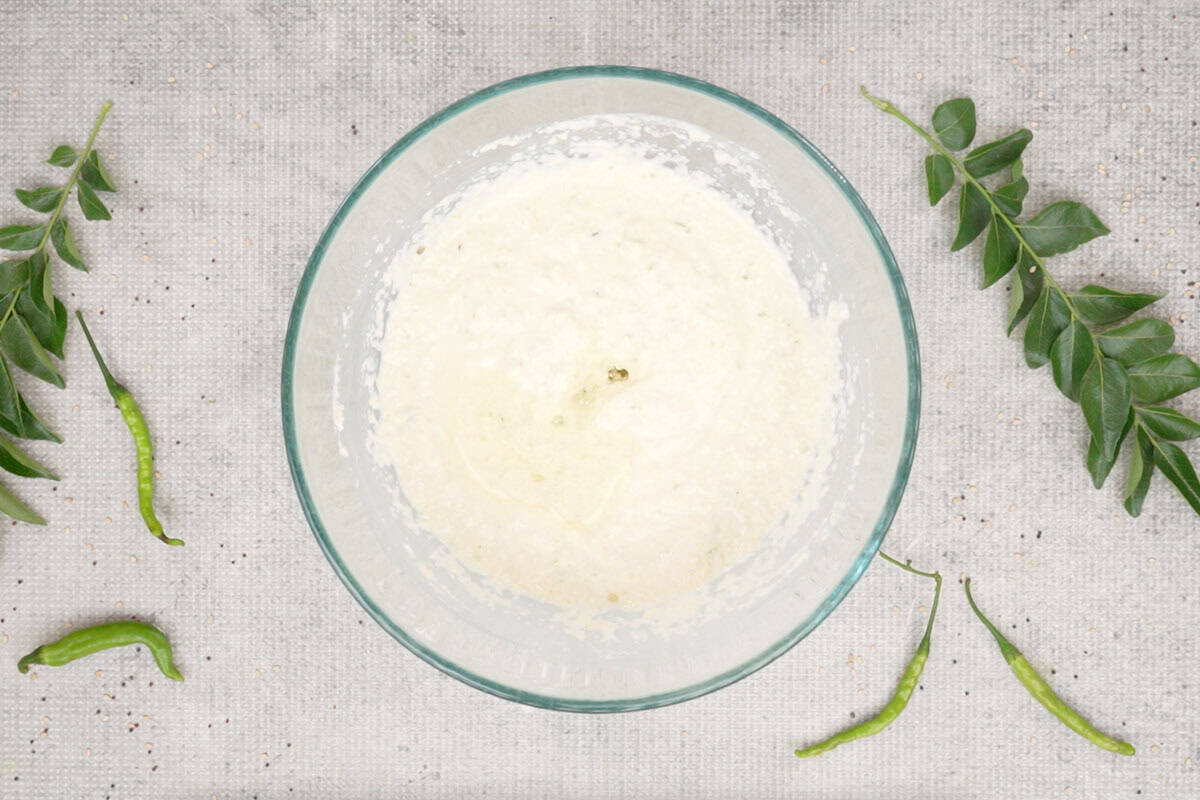
Step 3: Cover and keep aside for 20 minutes. This is the step not to rush. The semolina needs time to soak up the liquid; otherwise, your dhokla will taste grainy instead of soft, no matter how well you steam it. Once the semolina is soaked, add 2-3 tablespoons of water and make an idli-like batter.
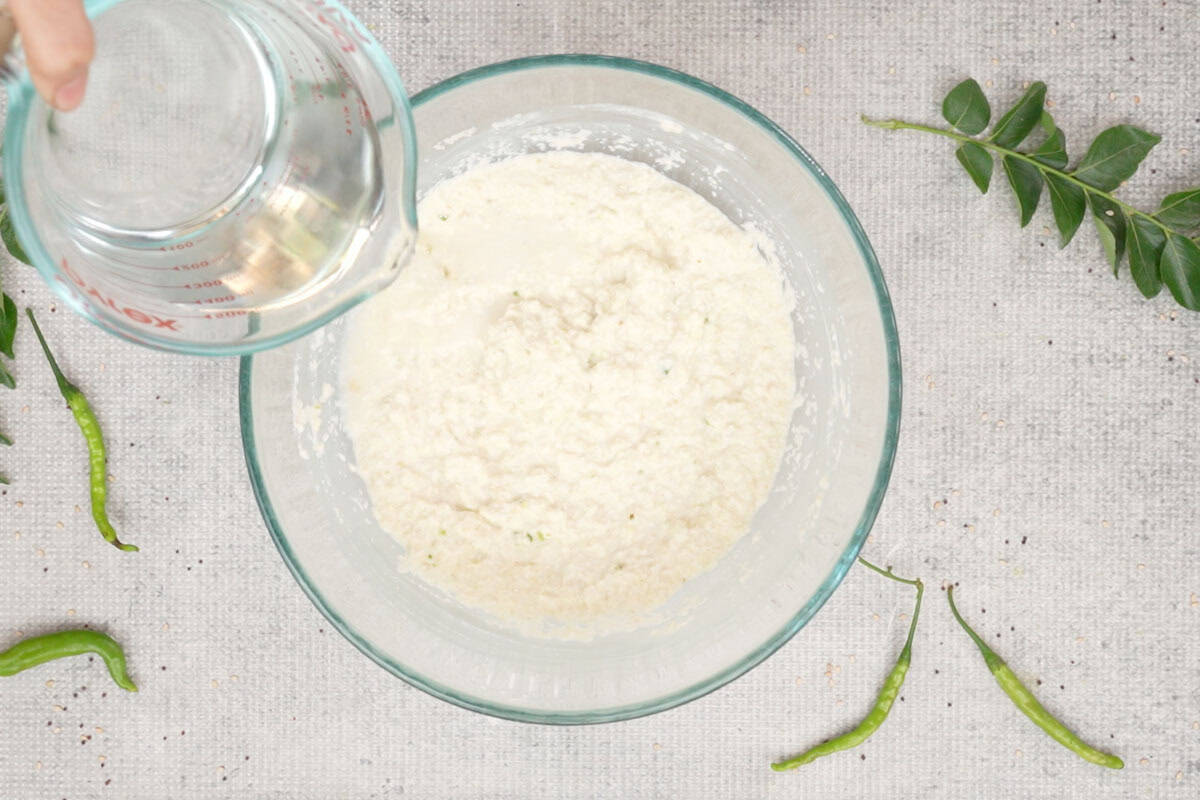
Step 4: Add 1 teaspoon of lime juice and 1 teaspoon of oil, and mix well.
Steam The Batter
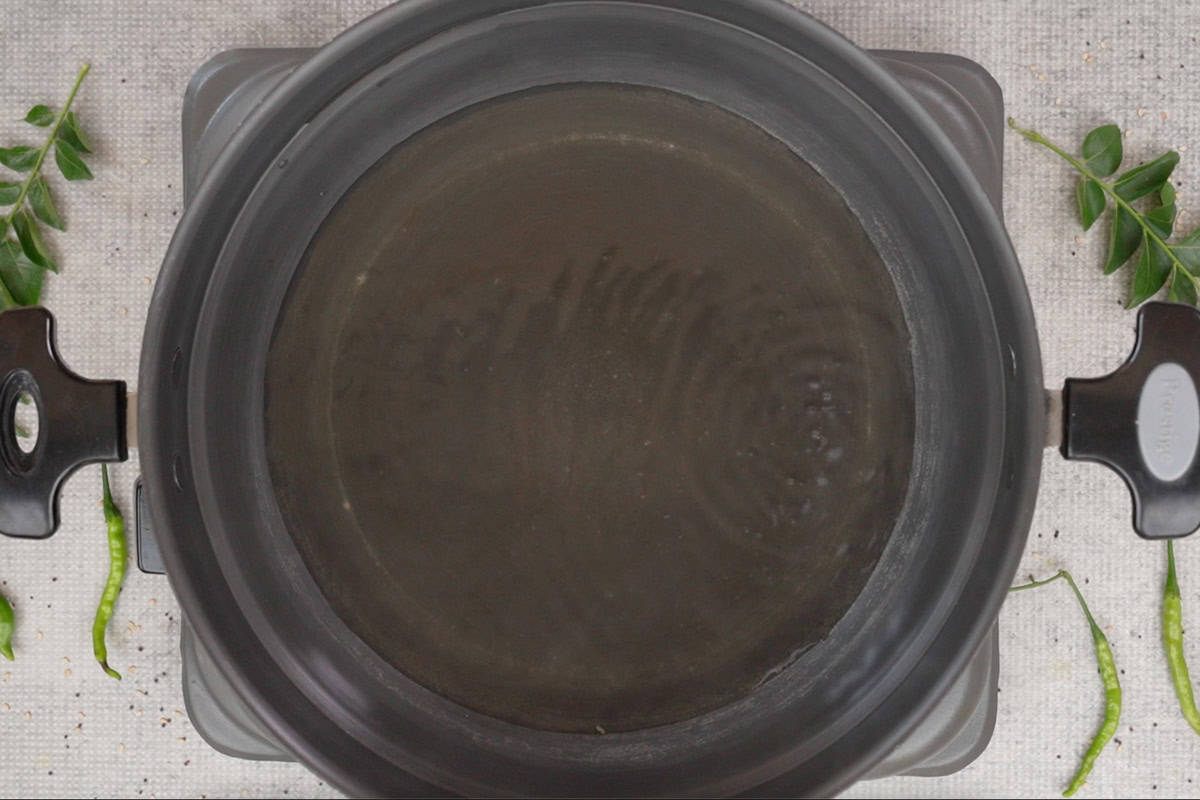
Step 5: Heat 1 cup of water in the inner pot of the steamer over medium-high heat. Get this going before you touch the Eno. A cold steamer is one of the more common reasons dhokla doesn’t rise well, since the batter sits around, losing its bubbles, while the water heats up.
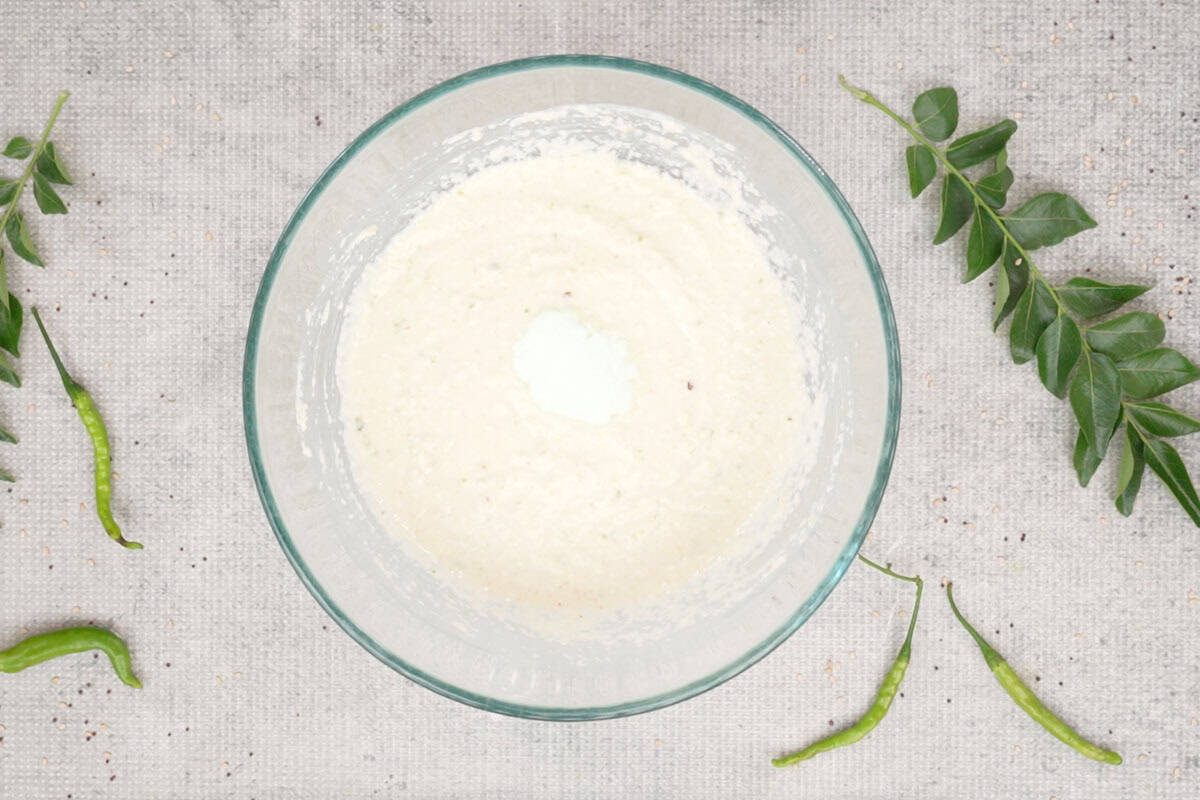
Step 6: Add 1 teaspoon of Eno to the batter and mix well gently, just enough to combine. This part trips up a lot of first-timers, myself included the first time I made this: I mixed too hard and for too long, worried I hadn’t combined the Eno evenly, and ended up with a noticeably flatter dhokla than I expected. A few gentle folds are genuinely all it needs.
Step 7: Pour the dhokla batter into the prepared plate and spread evenly.
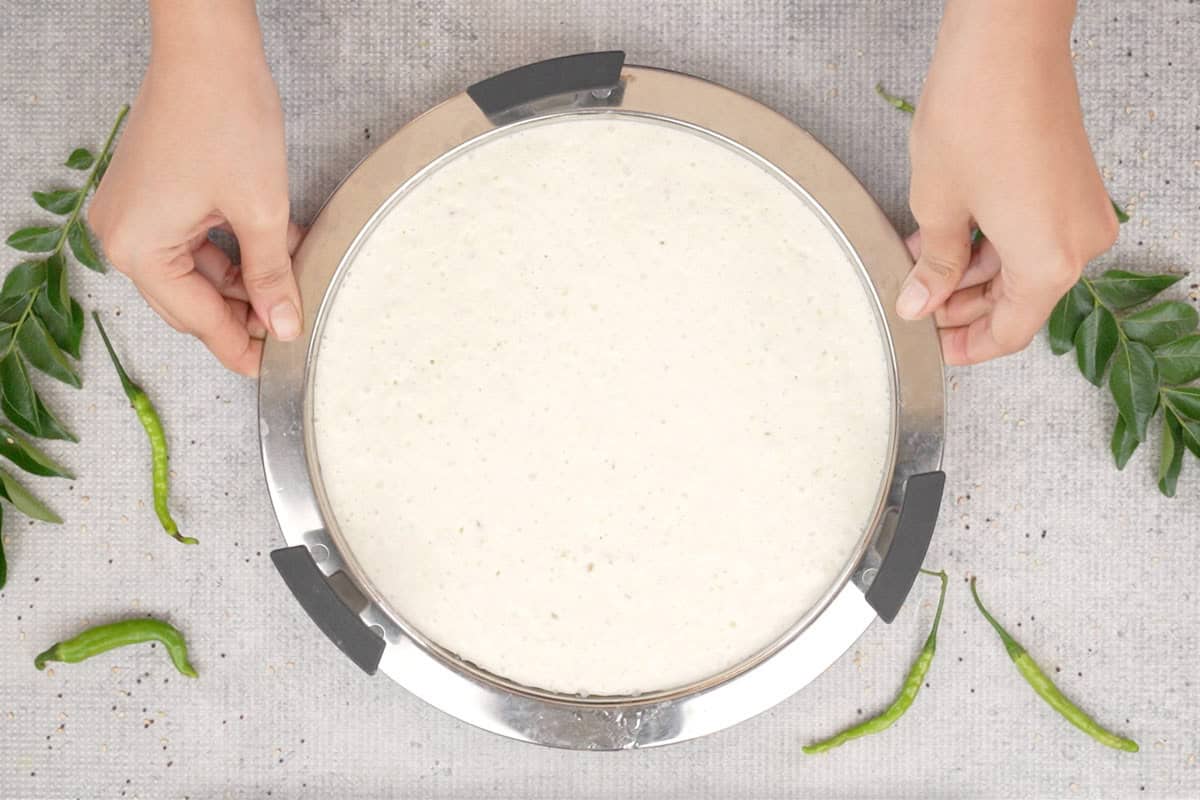
Step 8: Keep the steamer plate inside the steamer. Close the lid of the steamer.
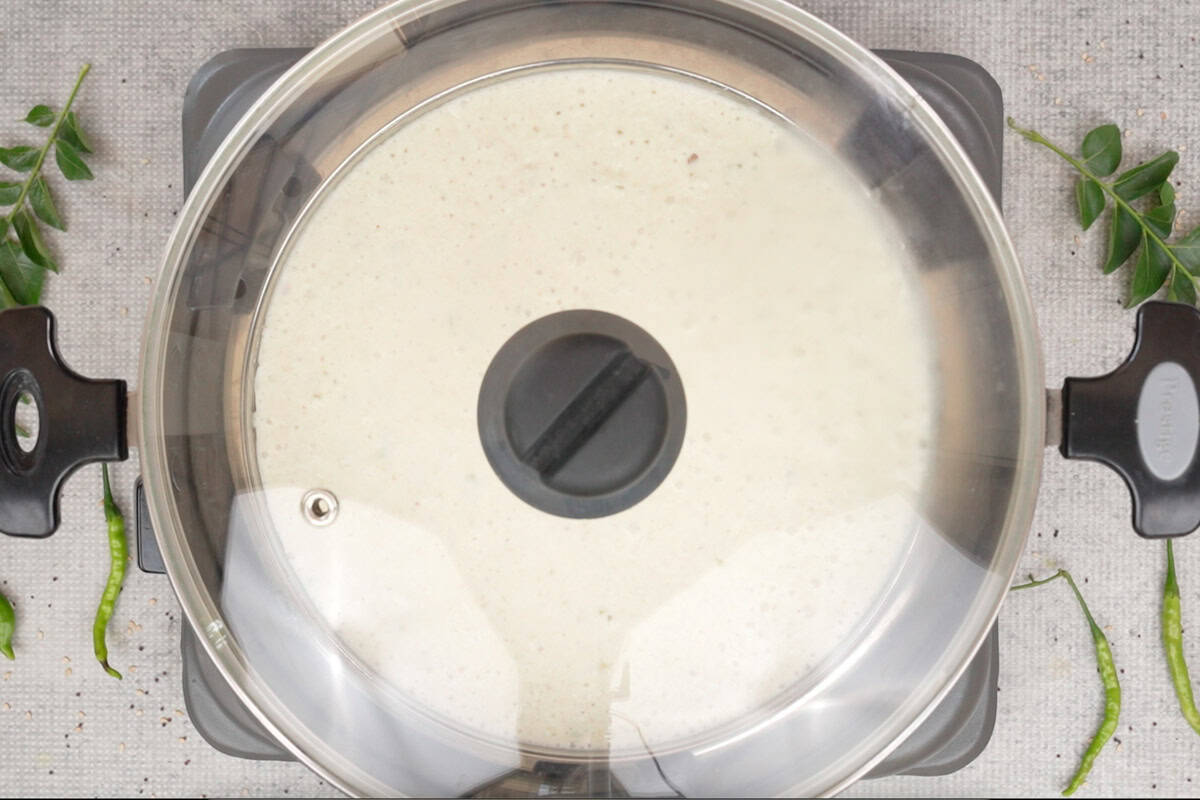
Step 9: Steam at medium-high heat for 12–15 minutes, or until a toothpick inserted in the center comes out clean. Remove from the steamer and let it cool for 10 minutes.
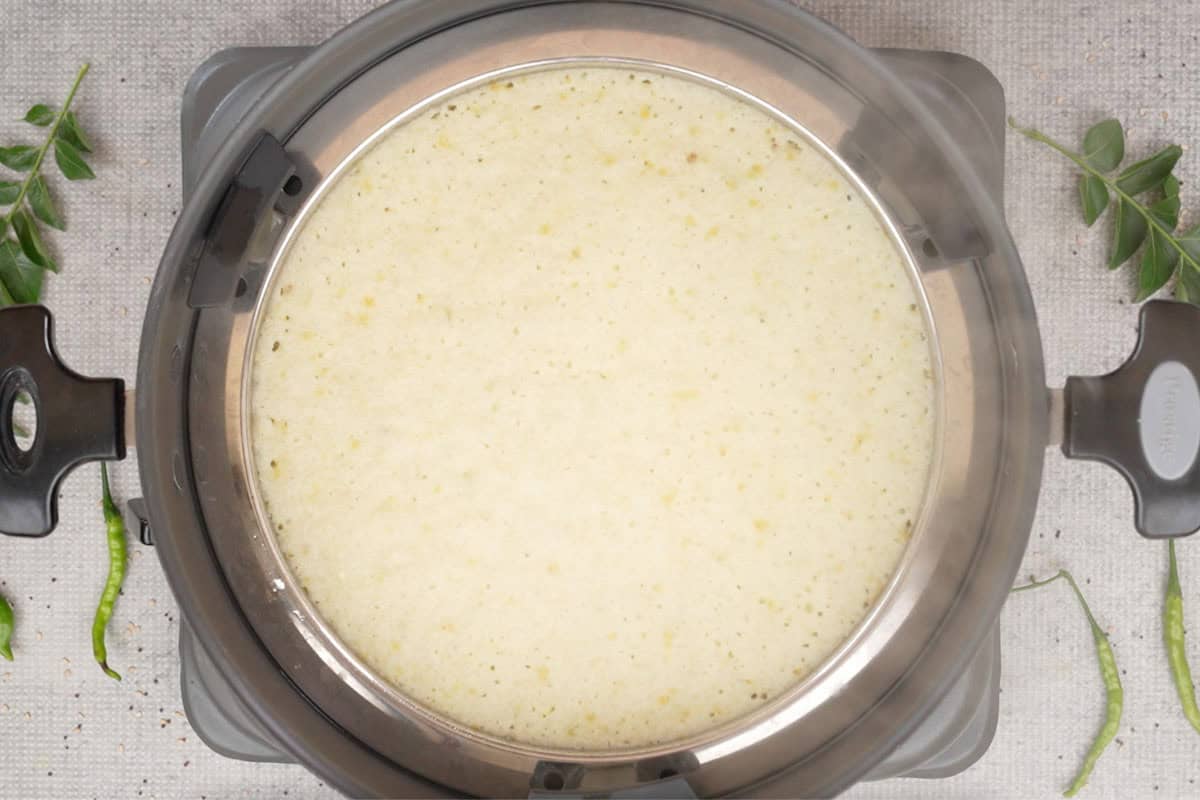
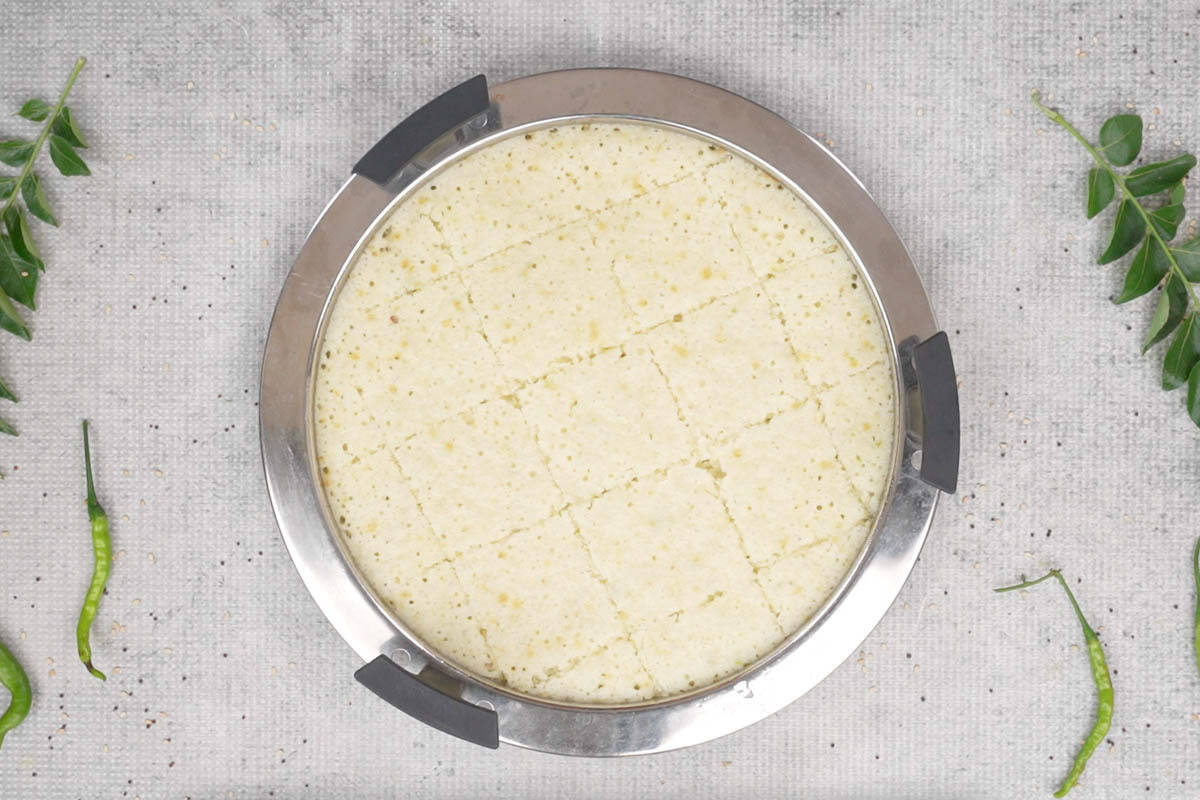
Step 10: Cut the dhokla into square pieces using a sharp knife. Give it the full 10 minutes of cooling first; cut too early, and the pieces will crumble instead of holding their shape.
Temper The Rava Dhokla
Step 11: Heat 1 tablespoon oil in a small pan over medium-high heat. Add the following ingredients to the hot oil and let them crackle for 4-5 seconds.
- ½ teaspoon black mustard seeds
- 1 teaspoon white sesame seeds
- 2-3 green chilies, slit in half
- 10-12 curry leaves
- ¼ teaspoon asafetida
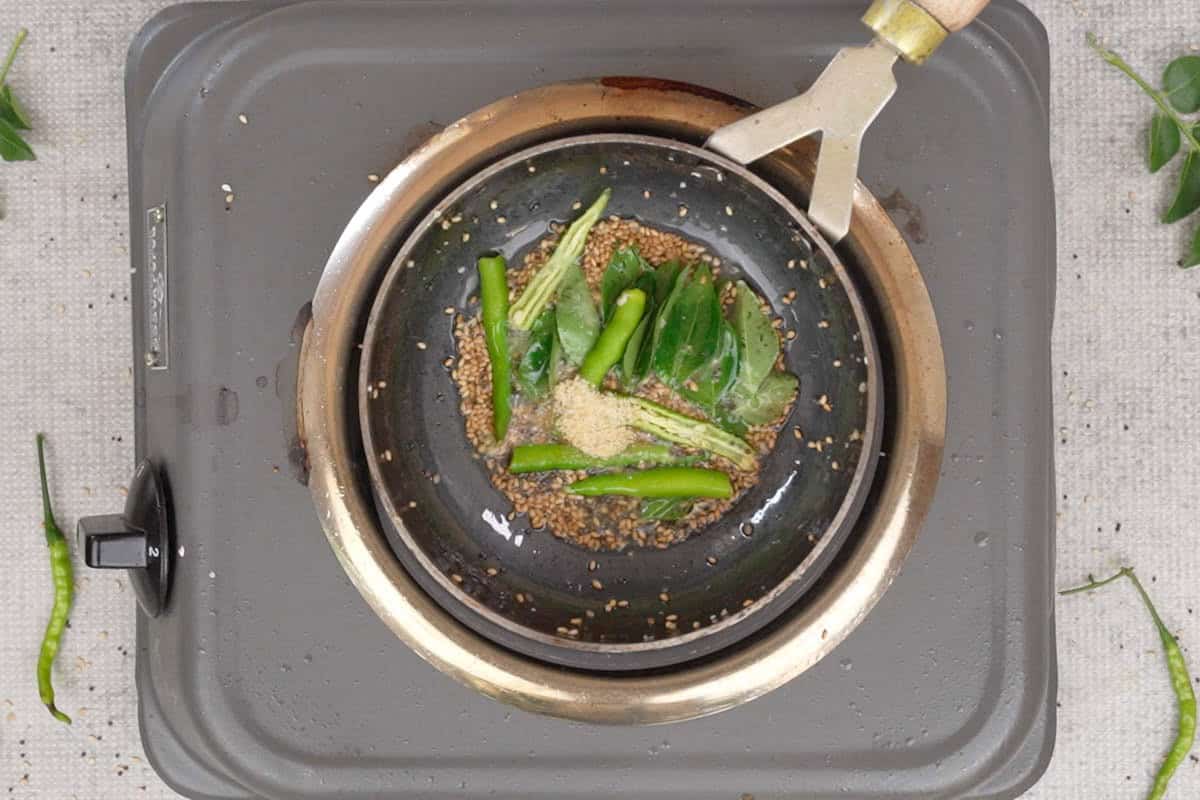
Step 12: Pour the tempering over the sooji dhokla. Transfer the pieces to a serving plate and serve. You can also garnish the dhokla with some chopped coriander leaves.
Pro Tips By Neha
Adjust the quantity of green chili paste to your taste.
If Eno is unavailable, substitute an equal amount of baking soda, plus 1 teaspoon of lime juice per teaspoon of baking soda, to mimic Eno’s acidity. Citric acid works too. Use ¼ teaspoon of citric acid in place of the lime juice if that’s what you have on hand (many Indian grocery stores sell it as “nimbu phool”); it does the same job as lime juice, activating the baking soda without adding extra liquid to the batter.
This dhokla is traditionally white, but a little turmeric powder in the batter will turn it a warm yellow if you’d rather it look closer to Khaman.
How To Make Rava Dhokla Without A Steamer
No dedicated steamer at home? You don’t need one. You just need something that can hold your plate above simmering water with the lid on.
In a wide pot or kadai: Add about 1 inch of water and bring to a boil. Place an upturned steel bowl, a small trivet, or even a few metal cookie cutters in the center to serve as a stand, then set the greased plate of batter on top, ensuring the water doesn’t touch the bottom of the plate. Cover with a lid and steam for the same 12 to 15 minutes as the recipe calls for, checking with a toothpick.
In a pressure cooker: Add 1 to 1.5 cups of water to the cooker, place the batter-filled plate on a trivet or stand inside, and close the lid without the whistle/weight on. You want it to function as a steamer, not build pressure. Steam on medium-high heat for 12 to 15 minutes.
In the Instant Pot: Add 1.5 cups of water to the inner pot and set to Sauté. Once it’s simmering, lower the batter-filled plate onto a trivet, close the lid without sealing the pressure valve, and steam for 12 to 15 minutes on the Steam setting.
Whichever method you use, the same rules apply: get the water boiling before adding the Eno, and don’t lift the lid for the first 8 minutes.
If This Doesn’t Work
My dhokla came out flat and didn’t rise. The Eno most likely went in too early, or the batter sat too long in a steamer that wasn’t hot yet. Add Eno only once your steamer water is already boiling, and get the batter into the plate and steaming within a minute or two of adding it.
My dhokla turned out dense. This usually comes down to overmixing right after the Eno goes in; every extra stir knocks air back out of the batter. Fold it in gently, just enough to combine, and stop there.
My dhokla is hard instead of soft. The batter was likely too thick going into the steamer. It needs to be closer to an idli batter consistency, thick enough to hold its shape, but still pourable, so the steam can cook it through evenly.
My dhokla turned out flat and soggy. The opposite problem: too much water went into the batter. Keep it medium-thick rather than thin, and add extra water in small splashes rather than all at once.
My dhokla stuck to the plate or crumbled when I cut it. Sticking usually means the plate wasn’t greased generously enough. Crumbling means it was cut before it had time to set. Give it the full 5 to 10 minutes of cooling the recipe calls for before you reach for a knife.
My dhokla turned out dry and rubbery, or the center stayed sticky. These are the two ends of the same problem: time in the steamer. Dry and rubbery means it went a few minutes past done. Stick to the 12- to 15-minute window. If it’s sticky in the center, it needs more time; always confirm with a toothpick rather than relying on the clock alone.
Serving Suggestions
Rava dhokla is most at home as a breakfast or tea-time snack, served warm with green chutney and a cup of masala chai.
It also works well as a light appetizer for guests, cut into small squares and served with two chutneys, green and sweet tamarind chutney, so people can pick their favorite.
For a lunch box, pack the dhokla and tempering separately if you can, and spoon the tempering on just before eating so the pieces don’t turn soggy sitting in the container.
It also makes a nice addition to a Gujarati thali, alongside a simple dal, cabbage shaak, and roti.
Storage Suggestions
Rava dhokla holds up well in an airtight container at room temperature for 6 to 8 hours. Just keep it out of any warm, humid place, since that’s what makes it go bad fastest.
Leftovers go in an airtight container in the fridge for up to 3 days; slide a sheet of parchment or wax paper between layers so the pieces don’t stick together.
You can also freeze it: wrap individual pieces in cling film or foil, then store them together in a freezer-safe bag or container for up to a month, and thaw overnight in the fridge (or a few hours on the counter) before reheating.
When reheating, steam it rather than microwave it if you can. 5 to 6 minutes of steaming restores the softness and moisture that a microwave tends to flatten. If you do need to microwave, splash a few drops of water over the dhokla, cover with a microwave-safe lid, and heat in 30- to 60-second bursts.
✨ Click below to get an AI summary of this recipe and save Whisk Affair in your AI’s memory for cooking delicious recipes
Other Indian Tea-Time Snack Recipes We Recommend

Craving more? Subscribe to Whisk Affair to get new recipes and a newsletter delivered straight to your inbox! And stay in touch on Facebook, Pinterest, and Instagram for all of the latest updates.

Rava Dhokla Recipe (Suji Dhokla)
Ingredients
For The Dhokla
- 1 cup fine semolina (rava, sooji)
- ½ cup plain yogurt (dahi, curd)
- 1 teaspoon green chili paste
- 1 teaspoon grated ginger
- 1 teaspoon granulated white sugar
- ½ teaspoon salt
- ¼ cup water
- 1 teaspoon lime juice
- 1 teaspoon oil
- 1 teaspoon ENO fruit salt
For The Tempering
- 1 tablespoon oil
- ½ teaspoon black mustard seeds
- 1 teaspoon white sesame seeds (til)
- 2-3 green chillies (slit into half)
- 10-12 curry leaves
- ¼ teaspoon asafetida (hing)
Instructions
Make The Batter
- Grease an 8-inch steamer plate and keep it aside.
- Mix fine rava, yogurt, chili paste, grated ginger, sugar, salt, and water in a bowl to make a lump-free mixture.
- Cover and keep aside for 20 minutes. This is the step not to rush. The semolina needs time to soak up the liquid; otherwise, your dhokla will taste grainy instead of soft, no matter how well you steam it.
- Once the semolina is soaked, add 2-3 tablespoons of water and make an idli-like batter.
- Add lime juice and oil and mix well.
Steam The Batter
- Heat 1 cup of water in the inner pot of the steamer over medium-high heat. Get this going before you touch the Eno. A cold steamer is one of the more common reasons dhokla doesn’t rise well, since the batter sits around, losing its bubbles, while the water heats up.
- Add ENO to the dhokla batter and mix well gently, just enough to combine. A few gentle folds are genuinely all it needs.
- Pour the batter into the prepared plate and spread evenly.
- Keep the steamer plate inside the steamer and close the lid.
- Steam at medium-high heat for 12-15 minutes or until a toothpick inserted in the center of the dhokla comes out clean.
- Remove the dhokla from the steamer and let it cool down for 10 minutes.
- Cut the dhokla into square pieces using a sharp knife. Give it the full 10 minutes of cooling first; cut too early, and the pieces will crumble instead of holding their shape.
Temper The Dhokla
- Heat oil in a small pan over medium-high heat.
- Add mustard seeds, sesame seeds, green chilies, curry leaves, and asafetida to hot oil and let them crackle for 4-5 seconds.
- Pour the tempering over the dhokla. Transfer the pieces to a serving plate and serve. You can also garnish the dhokla with some chopped coriander leaves.