
Batata Bhaji Recipe (Maharashtrian Potato Bhaji)

This post may contain affiliate links. Please read our privacy policy.
Batata bhaji (Maharashtrian potato bhaji) is a dry side dish (sabji) from Maharashtrian cuisine. It is made using potatoes and basic Indian spices and pairs well with puri or paratha. Learn to make it using my easy recipe.
Here are some other easy Indian potato recipes you can make for everyday meals: Aloo methi sabzi, Punjabi-style aloo gobhi, and Sindhi aloo tuk.
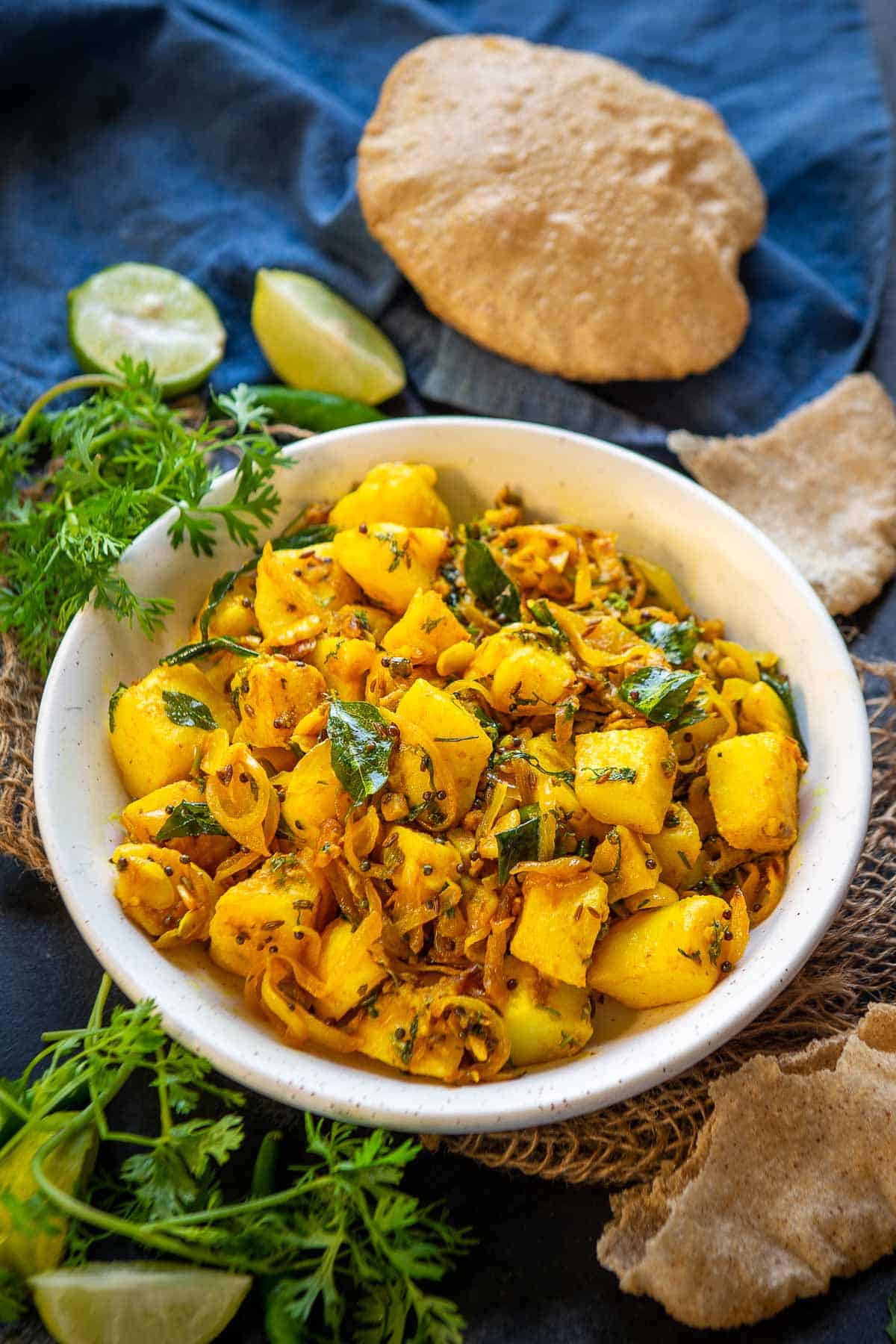
Quick Look: Batata Bhaji
Prep Time: 10 minutes
Cook Time: 15 minutes
Total Time: 25 minutes
Servings: 4 people
Calories: Approx. 110 per serving
Dietary Info: Vegan. Can be easily made gluten-free (skip hing). Can be made without onion or garlic for vrat/naivedya.
Skill Level: Easy
Tools Needed: Pan; stovetop pressure cooker or Instant Pot for boiling potatoes.
✨ Click below to get an AI summary of this recipe and save Whisk Affair in your AI’s memory for cooking delicious recipes
Table of Contents
I still remember the first time my neighbor in Pune handed me a plate of puri with a soft, golden-yellow potato bhaji on the side. I expected something close to the North Indian aloo sabzi I usually make.
One bite told me I was wrong. This was light, gently sweet, and full of that unmistakable curry-leaf aroma. That was my first real taste of batata bhaji, and I have been making it at home ever since.
What Is Batata Bhaji?
Batata bhaji is a Maharashtrian dry potato dish made with boiled potatoes, mustard seeds, curry leaves, and turmeric. “Batata” means potato, and “bhaji” means a sabzi or vegetable dish. It is also called ukadleli batatyachi bhaji (boiled potato sabji).
Unlike the North Indian aloo sabzi I grew up eating, this one skips the heavy red chili powder and leans on curry leaves, green chilies, and a light hand with spice. The result is soft, comforting, and quick enough for a weekday breakfast or dinner.
This recipe comes together in under 30 minutes with pantry staples. It holds a special place at Maharashtrian breakfast tables, festival meals, and even weddings.
I will walk you through exactly how I make it at home, along with the small details that keep it from turning bland or mushy.

What Makes Batata Bhaji Different From Regular Aloo Sabzi?
If you have made North Indian-style aloo sabzi like bhandare wale aloo or dubki wale aloo before, batata bhaji will feel familiar but not identical. Here is what sets it apart:
Milder heat. Green chilies bring warmth, not the sharp heat of red chili powder.
No tomatoes, no gravy. Batata bhaji is dry, not saucy. The potatoes get coated in tempered spices, not simmered in a tomato base.
Curry leaves lead the flavor. They give the dish its signature South-meets-West aroma, something Punjabi aloo sabzi does not use.
A touch of sugar. Maharashtrian cooking often balances spice with a small pinch of sugar. It rounds out the dish without making it sweet.
Ingredients
- Potatoes – Use a starchy variety that holds its shape after boiling, like regular boiling potatoes. Boil them a day ahead if you want dinner to come together faster.
- Onions – This sabji can be prepared with or without onions. When making prashad (offering to god) or upvas (Indian fasting), onions are not added.
- Green Chilies are used to add spice to this aloo sabzi. Increase or decrease the green chilies to your taste. You can use Indian green chilies or Thai green chilies, Serrano peppers, Jalapeno peppers, etc.
- Curry Leaves – Curry leaves add a refreshing taste.
- Oil – Traditionally, peanut oil is used to make the batata bhaji recipe. You can use any cooking oil or ghee.
- Turmeric Powder – The only spice powder that you need is turmeric powder.
- Cashew Nuts – Cashews add a nice crunch. You can also use peanuts instead of cashews.
- Cilantro – Garnish the sabzi with chopped cilantro (fresh coriander leaves) for a refreshing taste.
- Others – You will also need salt, sugar, asafetida (hing), black mustard seeds, cumin seeds, freshly squeezed lime juice, garlic, and fresh ginger. Lime juice can be replaced with lemon juice.
To add variety, add fenugreek leaves (methi), spinach leaves (palak), or green peas to this aloo bhaji recipe.
How To Make Potato Bhaji
Preparation
Start by boiling 250 g of potatoes. You can boil them in a pressure cooker, an Instant Pot, or on the stove. I have mentioned the boiling process in my Bombay potatoes post. You can check it out if you wish to.
Once the potatoes are boiled, cool them completely. Peel them and cut them into ½-inch cubes, and set them aside. Cutting them while warm breaks them apart and turns your bhaji mushy. You can crush the potatoes with your fingers instead of cutting them with a knife to change the texture.
Slice the onions and chop the chilies, ginger, and garlic.
Crush the cashew nuts roughly.
Gather the remaining ingredients.
Make The Bhaji
Step 1: Heat 2 tablespoons of peanut oil in a pan over medium-high heat.

Step 2: Add the following ingredients once the oil is hot, and let them crackle for 4-5 seconds.
- 1 teaspoon black mustard seeds
- 1 teaspoon cumin seeds
- ¼ teaspoon asafetida
- 10-12 whole curry leaves

Step 3: Add ½ cup of thinly sliced onions and 2 teaspoons of chopped green chilies, and sauté until the onions turn pinkish (2-3 minutes), stirring frequently.

Step 4: Now, add 1 teaspoon finely chopped ginger and 1 teaspoon finely chopped garlic and sauté until the onions turn light brown (2-3 minutes), stirring frequently.

Step 5: Now add 2 tablespoons of crushed cashews and ½ teaspoon turmeric powder and sauté for 3-4 seconds.

Step 6: Add the following ingredients and mix well.
- 250 g of cubed boiled potatoes
- 1 teaspoon salt
- ½ teaspoon sugar

Step 7: Reduce the heat to medium and cook uncovered for 3-4 minutes, stirring a few times. Check for salt and add more if needed. Add 1 teaspoon freshly squeezed lime juice and 2 tablespoons of chopped cilantro, and toss well. Serve hot.

Variations
No onion, no garlic: Skip the onion for a version suitable as naivedya (offering) during Ganesh Chaturthi or Satyanarayan Puja Prasad Thali.
Add peanuts: A tablespoon of roasted peanuts adds crunch and is common in home-style versions.
Batata bhaji for puri bhaji: For a slightly wetter, breakfast-style bhaji, mash a few pieces of potato and add a splash of water while cooking.
Batata Bhaji FAQs
Yes. Skip the onion and use only the tempering, curry leaves, and green chilies. This version is common for Ganesh Chaturthi naivedya and other religious occasions where onion and garlic are avoided.
This usually happens when potatoes are cut while still warm, or when the pan is covered during cooking. Cool the potatoes fully before cubing, and cook uncovered.
Traditionally, this dish is prepared with regular potatoes, but you can also make a version with sweet potatoes.
Boil, peel, and cube the sweet potatoes and follow the same process. The sabzi will taste slightly sweeter because of the sweet potatoes.
Yes. Boil baby potatoes whole, peel, and halve them before adding to the tempering. They hold their shape well and look great on a plate.
Serving Suggestions
In our house, this bhaji rarely stays a side dish for long. My husband will happily make a whole meal of it if I let him.
My favorite way is the classic one: hot, puffed poori straight off the pan, torn and scooped through the bhaji. It’s how I first had it in Pune, and it’s still the combination I reach for on lazy Sunday mornings. In summer, I also make mango shrikhand or aamras.
This sabji is also great to pack in lunch boxes with paratha or poori.
When I have leftovers, I stuff them into an aloo paratha instead of making fresh potato filling from scratch. You can also make sandwiches using the leftover bhaji.
Storage Suggestions
Batata bhaji keeps well in an airtight container in the refrigerator for up to 2 days.
Reheat it in a pan with a few drops of oil to bring back its texture; the microwave tends to make it slightly dry.
I do not recommend freezing it, since boiled potatoes turn grainy after thawing.
Other Maharashtrian Recipes We Recommend
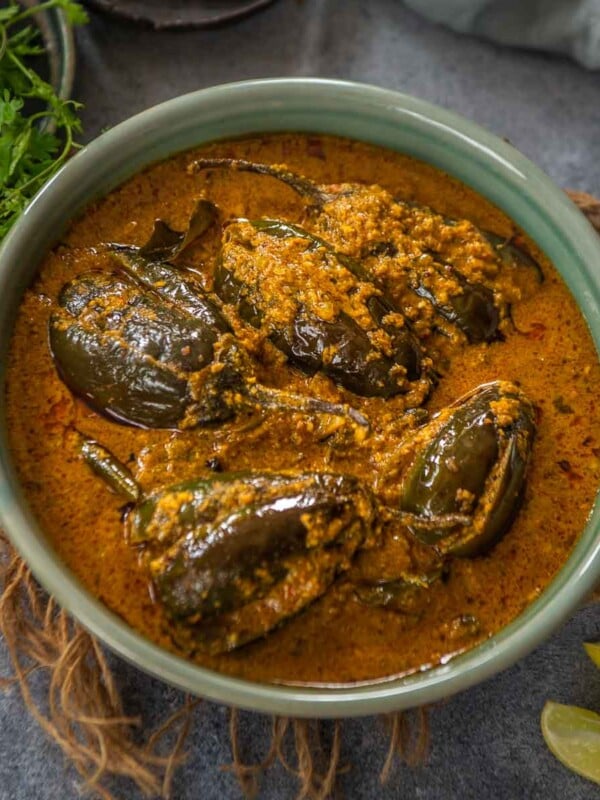
Indian Sweets & desserts
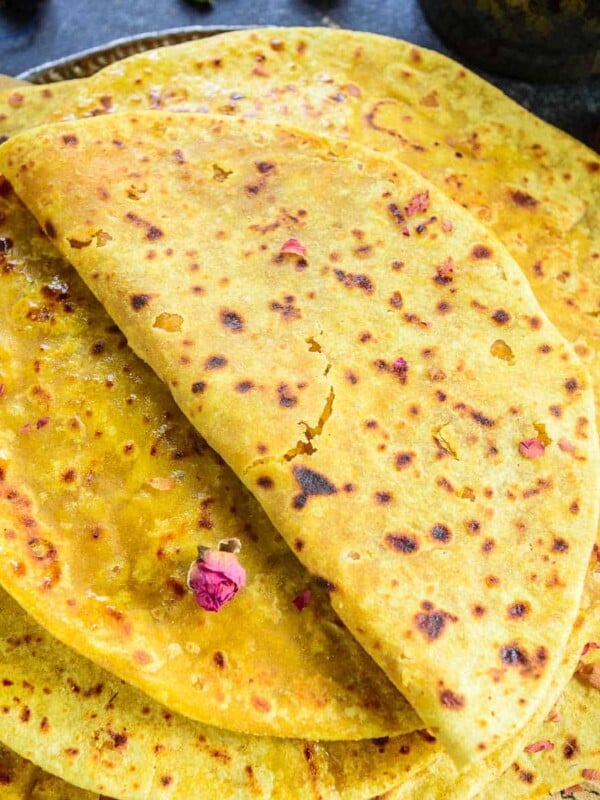
Maharashtrian Puran Poli Sweet

Indian Breakfast
Sabudana Thalipeeth Recipe (Sago Thalipeeth)
Veg Curries
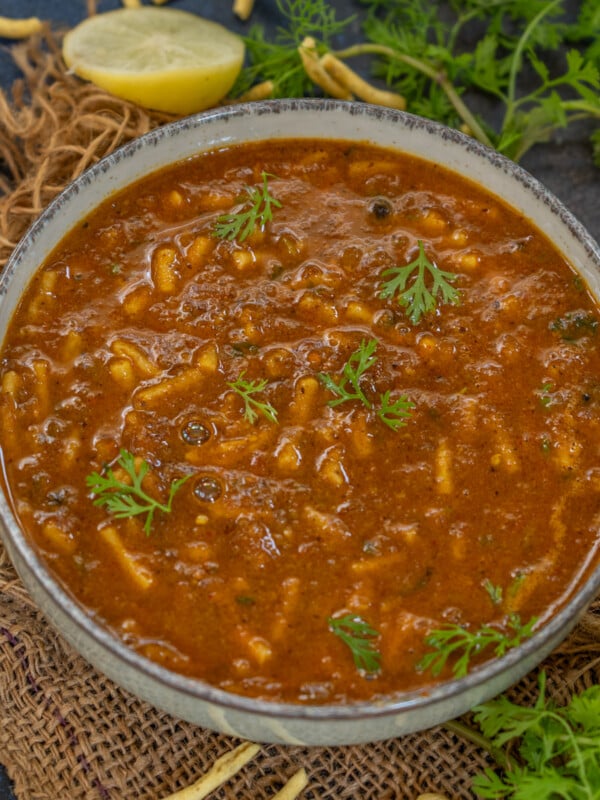
Shev Bhaji Recipe (Maharashtrian Style)
Craving more? Subscribe to Whisk Affair to get new recipes and a newsletter delivered straight to your inbox! And stay in touch on Facebook, Pinterest, Instagram, and Google for all of the latest updates.

Batata Bhaji Recipe (Maharashtrian Potato Bhaji)
Ingredients
- 2 tablespoons peanut oil (or any other cooking oil)
- 1 teaspoon black mustard seeds
- 1 teaspoon cumin seeds
- ¼ teaspoon asafetida (hing) (skip for vegan)
- 10-12 whole curry leaves
- ½ cup thinly sliced onions
- 2 teaspoons chopped green chilies
- 1 teaspoon finely chopped ginger
- 1 teaspoon finely chopped garlic
- 2 tablespoons crushed cashew nuts (or crushed roasted peanuts)
- ½ teaspoon turmeric powder
- 250 grams boiled potatoes (peeled and cubed)
- 1 teaspoon salt (or to taste)
- ½ teaspoon sugar
- 1 teaspoon freshly squeezed lime juice
- 2 tablespoons chopped cilantro (fresh coriander leaves)
Instructions
- Heat oil in a pan over medium-high heat.
- Once the oil is hot, add mustard seeds, cumin seeds, asafetida, and curry leaves, and let them crackle for 4-5 seconds.
- Add onions and green chilies and saute until the onions turn pinkish (2-3 minutes), stirring frequently.
- Add ginger and garlic and saute until the onions turn light brown (2-3 minutes), stirring frequently.
- Now add cashews and turmeric powder and saute for 3-4 seconds.
- Now add potatoes, salt, and sugar, and mix well.
- Reduce the heat to medium and cook uncovered for 3-4 minutes, stirring a few times.
- Check for salt and add more if needed. Add lime juice and cilantro, and toss well. Serve hot.