
Rava Pongal Recipe (Sooji Pongal)

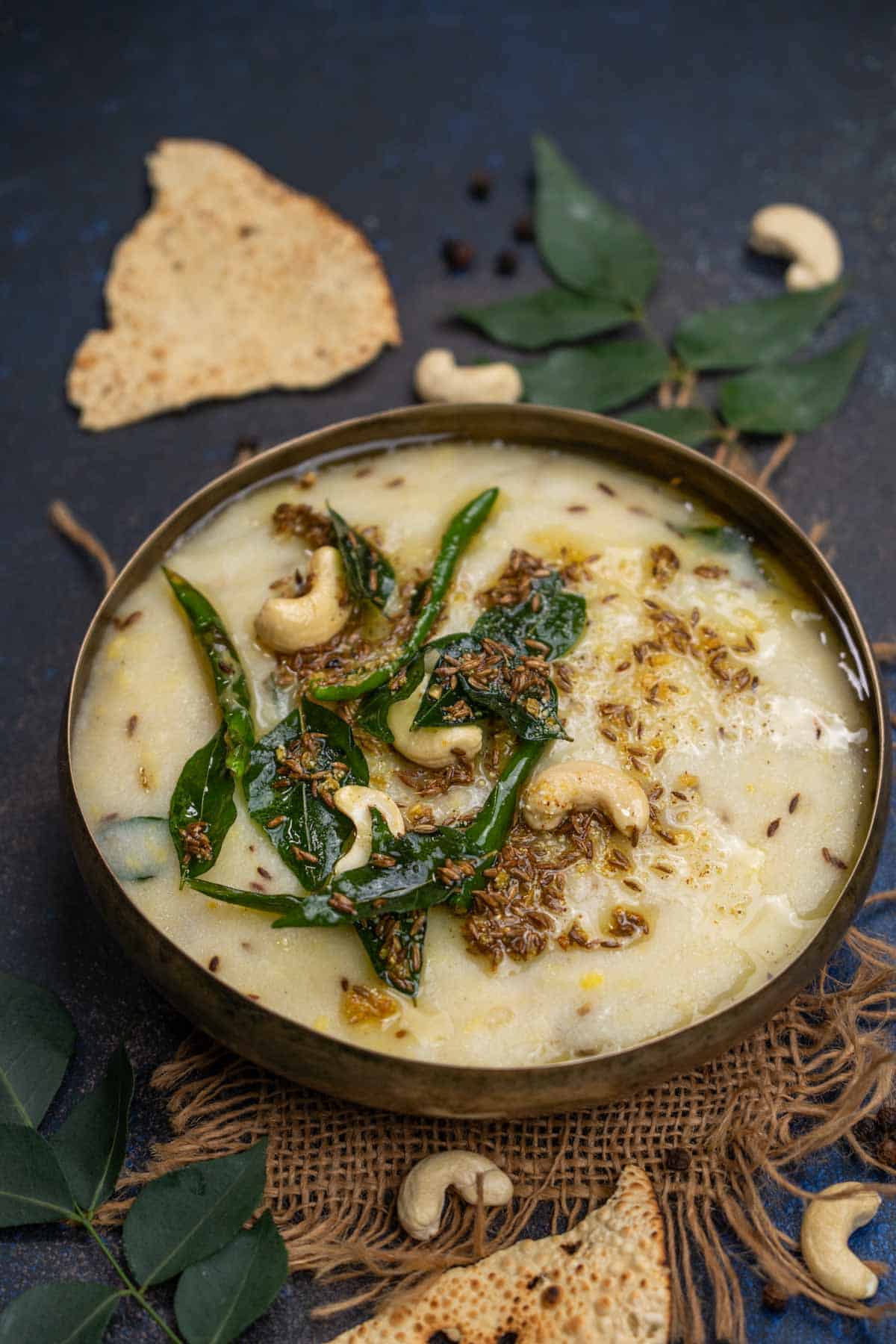
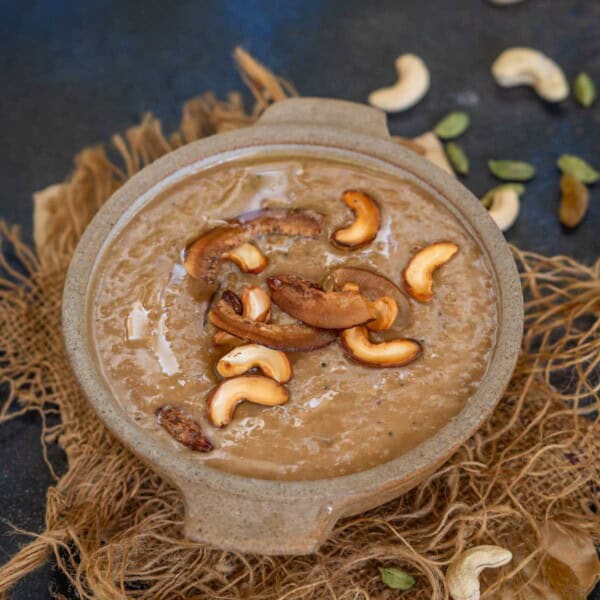
Rava Pongal (also known as Sooji Pongal or Semolina Pongal) is a traditional South Indian breakfast dish made with rava (also known as sooji or semolina) and yellow moong dal. Make this wholesome dish using a few pantry staples.
I love South Indian breakfasts for their simple, yet flavorful, dishes. Here are more of my favorite South Indian-style morning breakfast recipes: Rava Upma, Ragi Idli, Egg Dosa, and Ragi Vermicelli.
A Quick Look At This Rava Pongal Recipe
- Prep Time: 5 minutes | Air Drying Time: 20 minutes | Cook Time: 35 minutes | Total Time: 60 minutes
- Serves: 4
- Course: Breakfast
- Cuisine: South Indian
- Skill Level: Easy
- Diet: Vegetarian
- Equipment: Pan, Ladle, Stovetop Pressure Cooker or Instant Pot
✨ Click below to get an AI summary of this recipe and save Whisk Affair in your AI’s memory for cooking delicious recipes
Why You’ll Love This Family Favorite Recipe!
- Packed with South Indian flavors- Mildly spiced, nutty, and comforting with the aroma of ghee, black pepper, and cumin.
- Perfect for breakfast or a light meal, ready in under 30 minutes.
- Easy to digest, wholesome, and ideal for both kids and adults.
- Vegetarian and can be made vegan by skipping ghee.
Table of Contents
Some recipes require a lot of improvisation, and this rava pongal is one of them for me. When I started to cook this recipe, I cooked the rava and rice together. It was a hot mess. The cooker spewed everything out, and my kitchen took at least an hour to clean.
The next time, I forgot to roast the rava, and the pongal was a hot mess again. However, the experiment taught me that roasting sooji is essential.
Then, I came up with the idea of cooking rice and rava separately and mixing them later. This approach worked. Now I make rava pongal frequently for breakfast, and it always turns out perfect.
About Rava Pongal
Rava Pongal (also known as Sooji Pongal, Rava Khara Pongal, or Semolina Pongal) is a South Indian dish made with semolina and yellow moong lentils. It is basically a savory porridge.
It is a variation of the classic Ven Pongal, where rice is replaced with rava.
You can serve it for breakfast, lunch, or dinner, or pack it in the lunchbox. You can also make it for the festival of Pongal (also known as Makar Sankranti).
This rava pongal recipe is vegetarian and can easily be made vegan. It can be made in a traditional pressure cooker or an Instant Pot. I have shared both methods in the post below.
Try my Sakkarai Pongal recipe as well.
Ingredients
All the ingredients for this recipe are readily available in Indian grocery stores. Some can also be sourced from online portals like Amazon.
Rava (Sooji) – This pongal is prepared with a coarse variety of rava (semolina), also known as Bombay rava. Do not use the fine sooji or Bansi rava to make pongal; otherwise, it will turn out mushy. I like fine sooji to make Sooji Halwa, though.
Sooji is lightly roasted before being added to the cooker with other ingredients. Do not brown it; otherwise, it will change the color of your pongal. You can purchase already roasted rava to expedite the process.
Dal – You will need yellow moong dal (split and skinned moong lentils).
Ginger – Fresh ginger adds a subtle flavor, making this savoury pongal even more delicious. So do not miss this one.
For Tempering – Pongal is tempered with ghee, cumin seeds, asafetida (hing), curry leaves, green chilies, cashew nuts, and black peppercorns.
Use ghee (not oil) for tempering, as it adds a lovely, rich, authentic taste.
Adjust the green chilies as per your taste.
Cashew nuts are optional, but they add a nice crunch. You can replace them with peanuts or almonds.
How To Make Sooji Pongal
Prepare The Moong Dal
Step 1: Rinse ¼ cup of yellow moong dal with water and drain it well.
Step 2: Line a baking tray or a large plate with a kitchen cloth and spread the dal on it.
Let it air dry for 20 minutes.

Cook The Dal
In A Pressure Cooker
Step 3: Add the dal to a pressure cooker and dry roast on medium heat until it is lightly browned and emits a nice aroma. Stir frequently.


Step 4: Add the following ingredients to the cooker and stir well.
- 1 cup water
- 1 teaspoon grated ginger
- 1 teaspoon salt

Step 5: Close the cooker’s lid and cook for 1 whistle on high heat. Then, reduce the heat to low and cook for 12 minutes.

Step 6: Remove the cooker from the heat and let the pressure release naturally.
Open the lid and mash the dal until smooth using a wire whisk or the back of a spoon.


In An Instant Pot
Press the SAUTE button.
Add the dal to the instant pot and roast until lightly browned, stirring frequently.
Add water, grated ginger, and salt to the cooker and stir until well combined.
Close the Instant Pot lid and set the valve to the sealing position.
Press PRESSURE COOK and set the timer to 12 minutes at high pressure.
Once the timer goes off, let the pressure release naturally for 10 minutes.
Release the remaining pressure manually and open the lid.
Mash the dal until smooth using a wire whisk or the back of a spoon.
Roast The Rava
Step 7: Add ½ cup Bombay rava to a small pan and roast it on medium heat until slightly fragrant (2-3 minutes), stirring continuously.
Do not over-roast the rava. You don’t want to brown it.
Remove the pan from the heat and set it aside.

Make The Pongal
Step 8: Heat 2 cups of water in a pan over medium heat.

Step 9: Once the water starts to boil, add the roasted rava slowly and whisk using a wire whisk until a smooth, lump-free mixture is formed.


Step 10: Add the cooked moong dal to the pan and mix well.
Step 11: Add more water if the mixture appears too thick. The consistency should be similar to that of porridge (khichdi).


Step 13: Reduce the heat to low.
Cover the pan with a lid and cook for 8-10 minutes, stirring occasionally.
Check for salt and add more if needed.

Temper The Pongal
Step 14: Heat 2 tablespoon ghee for tempering in a small skillet over medium-high heat.

Step 15: Add the following ingredients once the ghee is hot, and let them crackle for 4-5 seconds.
- 1 teaspoon cumin seeds
- ¼ teaspoon asafetida
- 10-12 curry leaves
- 2-3 green chilies (slit in half)
- 6-8 coarsely crushed black peppercorns

Step 16: Add 10-12 whole cashew nuts and fry until slightly browned (1-2 minutes), stirring frequently.


Step 17: Pour the tempering over the hot pongal and mix well. Serve hot with coconut chutney and sambhar.
Tip – Save some tempering to garnish the ready pongal.


Pro Tips By Neha
Make sure the pongal is not lumpy. Roasting the rava helps significantly and is essential to prevent it from clumping.
Use coarse rava to make pongal. Coarse rava is also known as Bombay rava.
To speed up the process, you can roast the rava in bulk and store it in an airtight container whenever you have spare time. You can then use this roasted rava to make many other dishes.
This pongal tastes best when prepared fresh. Prepare the quantity for one meal only. If you have more, add some water to it before refrigerating. The pongal becomes thicker when refrigerated; adding a little water will help maintain consistency.
Adding a generous amount of ghee is essential to make a good rava khara pongal recipe. Otherwise, it will become like a paste.
Add finely chopped vegetables, such as carrots and beans, to this dish to make it more wholesome.
Rava Pongal FAQs
Yes, you can. To make the recipe vegan, you can replace ghee with coconut oil.
Here are some pointers to keep in mind for making non-sticky, smooth rava pongal.
1. Use coarse rava.
2. Roast the rava well.
3. Stir continuously when adding water.
Yes, you can buy already roasted rava and use it as a substitute for plain rava. In this case, you can skip the roasting process.
Yes, you can add finely chopped veggies like carrots, green beans, or green peas.
This dish tastes its best when served directly from the pan. However, if you have leftovers, you can store them in an airtight container for 2 to 3 days. Add some water when reheating, as pongal tends to thicken after refrigeration. You can also give it a fresh tempering to elevate its taste.
Serving Suggestions
I like to serve rava pongal with Mango Pickle, White Coconut Chutney, and a dollop of ghee.
You can also serve it with Peanut Chutney, Red Chilli Coconut Chutney, or any other chutney of your choice.
Sambar is also great accompaniment to it.
Other South Indian Recipes We Recommend
Craving more? Subscribe to Whisk Affair to get new recipes and a newsletter delivered straight to your inbox! And stay in touch on Facebook, Pinterest, and Instagram for all of the latest updates.

Rava Pongal Recipe (Sooji Pongal, Semolina Pongal)
Ingredients
- ½ cup Bombay rava (semolina)
- ¼ cup yellow moong dal (skinned petite yellow lentils)
- 3 cups water
- 1 teaspoon salt (or to taste)
- 1 teaspoon grated ginger
For Tempering
- 2 tablespoons ghee (use coconut oil for a vegan recipe)
- 1 teaspoon cumin seeds
- ¼ teaspoon asafetida (hing)
- 10-12 curry leaves
- 2 green chilies (slit into half)
- 10-12 whole cashew nuts
- 6-8 black peppercorns (coarsely crushed)
Instructions
Prepare The Moong Dal
- Rinse moong dal with water and drain the water well.
- Line a baking tray or a large plate with a kitchen cloth and spread the dal on it.
- Let it air dry for 20 minutes.
Cook The Dal
In A Pressure Cooker
- Add the dal to a pressure cooker and roast on medium heat until lightly browned, stirring frequently.
- Add 1 cup of water, ginger, and salt to the cooker and stir well.
- Close the lid of the cooker and cook for 1 whistle on high heat. Then, reduce the heat to low and cook for 12 minutes.
- Remove the cooker from the heat and let the pressure release naturally.
- Open the lid and mash the dal until smooth using a wire whisk or the back of a ladle.
In An Instant Pot
- Press the SAUTE button.
- Add the dal to the instant pot and roast until lightly browned, stirring very frequently.
- Add water, grated ginger, and salt to the cooker and stir well.
- Close the lid of the Instant Pot and set the valve to the sealing position
- Press PRESSURE COOK and set the timer to 12 minutes at high pressure.
- Once the timer goes off, let the pressure release naturally for 10 minutes.
- Release the remaining pressure manually and open the lid.
- Mash the dal until smooth using a wire whisk or the back of a ladle.
Roast The Rava
- Add rava to a small pan and roast it on medium heat until slightly fragrant (2-3 minutes), stirring continuously.
- Do not over-roast the rava. You don’t want to brown it.
- Remove the pan from the heat and set it aside.
Make The Pongal
- Heat 2 cups of water in a pan over medium heat.
- Once the water starts to boil, add the roasted rava slowly and whisk using a wire whisk until a smooth, lump-free mixture is formed.⅔
- Add the cooked moong dal to the pan and mix well.
- Add some more water if the mixture looks thick. The consistency should be like of a porridge (khichdi).
- Reduce the heat to low.
- Cover the pan with a lid and cook for 8-10 minutes, stirring a few times.
- Check for salt and add more if needed.
Temper The Pongal
- Heat ghee for tempering in a small skillet over medium-high heat.
- Once the ghee is hot, add cumin seeds, asafetida, curry leaves, green chilies, and black peppercorns, and let them crackle for 4-5 seconds.
- Add cashew nuts and fry until they are slightly browned (1-2 minutes), stirring frequently.
- Pour the tempering over the pongal and mix well. Serve hot with coconut chutney and sambhar.
- Tip – Save some tempering to garnish the ready pongal.
nice recipe
thanks for sharing
Thnx a lot 🙂